
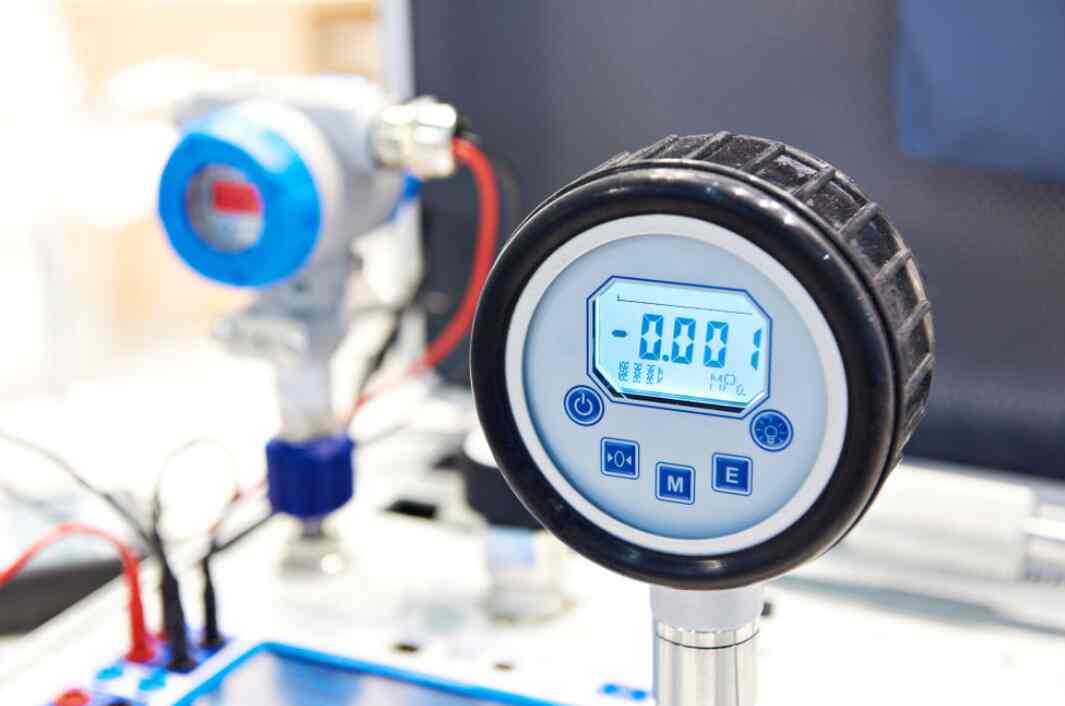
For quality managers and metrology professionals, the search query “Gage Calibration Near Me” represents a critical balance: the need for speed and convenience in local service coupled with the non-negotiable requirement for technical expertise and regulatory compliance. Gage calibration is the backbone of dimensional quality assurance, and choosing a provider that is both geographically accessible and technically qualified can significantly reduce turnaround time, minimize logistics costs, and, most importantly, maintain the integrity of the measurement system. This article outlines the essential criteria—beyond mere location—that must be evaluated when selecting a qualified calibration partner for precision gages in a regulated industry.
Beyond Location: Technical Accreditation is Paramount
Proximity is a logistical benefit, but it cannot supersede technical competence. The single most important credential when searching for gage calibration near me is ISO/IEC 17025 accreditation. This standard, granted by recognized accrediting bodies, verifies that the laboratory has:
- Technically competent personnel.
- A validated quality management system.
- Traceability for all measurement standards.
- The capability to correctly assess and report measurement uncertainty.
A certificate from a non-accredited lab is often meaningless in an audit, regardless of how close that lab is to your facility.
Evaluating the Scope of Accreditation
The ISO/IEC 17025 certificate is broad, but the accompanying Scope of Accreditation is highly specific. When evaluating a provider, you must confirm that their scope explicitly covers the types of gages you are submitting (e.g., plain plug gages, thread gages, gage blocks) and, critically, the required measurement uncertainty. A lab may be accredited for electrical work but not for the precision dimensional work required for high-tolerance thread ring gages.
Assessing Capacity and Logistics
While searching for local service, the provider’s capacity is key to minimizing downtime. A local branch of a national network, for example, combines the convenience of proximity with the backup resources of a large organization. A national provider with strategically located laboratories, like SIMCO, can offer both the convenience of local access and the resources to handle high-volume, rush calibration needs without compromising technical quality. They can execute high-precision calibration quickly, reducing the expensive turnaround time that is often a bottleneck in manufacturing.
The Importance of Managed Calibration Systems
The best calibration partners offer more than just a service; they offer a comprehensive solution. This includes a robust software system for managing the entire calibration program. This system should provide:
- Automated scheduling and recall reminders.
- Secure, online access to calibration certificates.
- Audit trails for all services performed.
Choosing a partner like SIMCO provides not only expert gage calibration near me, but also a robust, digital system to maintain compliance and audit-readiness across all measurement assets, minimizing administrative burden for quality managers.
Final Selection Criteria
In addition to accreditation and logistics, final selection should consider the provider’s willingness to support different service models:
- On-site Calibration: For large, immobile assets or high-volume gaging that cannot leave the production floor.
- Expedited Lab Service: For critical gages where every hour counts.
By prioritizing accredited quality and robust management systems alongside geographical convenience, companies can ensure their dimensional metrology remains reliable, defensible, and fully compliant with regulatory standards.
