
Introduction
The real estate industry is on the verge of remarkable change, as fresh technologies, evolving demographics, and a heightened emphasis on wellness reshape investment strategies and market demand. For those seeking to build wealth or diversify their portfolios, staying alert to these shifts is critical in the coming years. As economic uncertainty persists and competition intensifies, investors and buyers alike increasingly rely on the expertise of trusted Washington DC real estate agents to navigate an ever-complex marketplace.
Investors must not only keep pace with the influence of technology and sustainability but also anticipate the impacts of changing consumer priorities. Understanding the most transformative real estate trends for 2026 is essential for anyone looking to capitalize on new opportunities and mitigate risk.
1. Sustainability and Green Building Practices
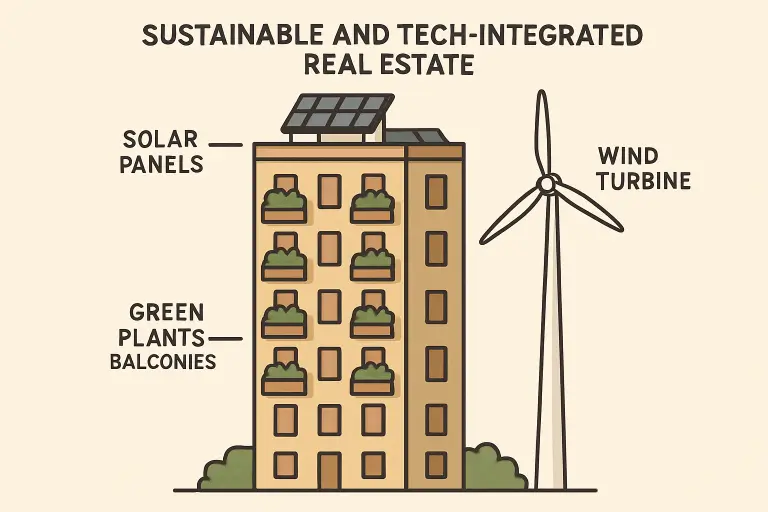
The movement toward sustainability is accelerating within the global real estate sector. Energy-efficient developments, renewable energy integration, and green building certifications such as LEED and BREEAM are now driving property value and buyer demand. In the European Union, stringent regulations are setting new standards for low-energy consumption buildings, compelling developers and investors to prioritize sustainability from the earliest stages of planning. For guidance on environmentally responsible construction practices, the EPA offers resources on green building that highlight strategies to improve energy efficiency, water conservation, and indoor environmental quality. Beyond environmental benefits, these efforts are associated with reduced operating costs, favorable financing options, and enhanced tenant satisfaction.
Building green is quickly becoming non-negotiable, and investors who align with these forward-thinking principles stand to benefit in both capital appreciation and market competitiveness.
2. Technological Integration and PropTech
The digital transformation of real estate is accelerating with the integration of PropTech solutions. Technologies like AI-powered property search, virtual reality (VR) tours, and data-driven pricing algorithms are making property transactions more transparent, accessible, and efficient. Blockchain and property tokenization are revolutionizing real estate by simplifying ownership and globalizing investment, creating greater liquidity and security. Such innovations don’t just streamline the process—they can broaden market access, reduce traditional costs, and lower barriers for international buyers and smaller investors.
3. Rise of Secondary Cities and Emerging Markets
Urban sprawl, affordability challenges, and remote work trends are redirecting investment flows from major metropolitan hubs to secondary cities and up-and-coming regions. Cities such as Austin, Miami, and Dubai are experiencing unprecedented influxes of both capital and residents, thanks in part to favorable tax structures, cosmopolitan lifestyles, and infrastructure improvements.
These areas offer significant growth potential with lower entry prices, making them attractive for both seasoned investors and first-time buyers. Monitoring global mobility patterns and market fundamentals will be increasingly crucial for those looking to capture outsized returns in emerging urban centers.
4. Demand for Niche Asset Classes
Diversification remains a primary driver for real estate investors, with niche asset classes gaining popularity and delivering robust returns. Data centers are booming, fueled by the insatiable demand for cloud computing and artificial intelligence infrastructure. Meanwhile, demographic shifts, such as an aging population, are boosting demand for senior living communities, while the self-storage sector is reaping the benefits of both residential downsizing and lifestyle shifts.
These specialized properties provide stable, often recession-resistant income streams and can be less sensitive to the volatility of office or retail real estate. Prospective investors should consider trends in technology and society when expanding their portfolio to include new asset types.
5. Focus on Wellness and Lifestyle Amenities
Wellness-driven design is now a cornerstone in modern real estate developments. Properties that feature amenities such as fitness centers, spa areas, co-working spaces, outdoor retreats, and natural-light enhancements consistently command premiums. The growing popularity of work-from-home arrangements and holistic living is fueling demand for residences that emphasize health, flexibility, and sustainability.
Developers are responding by integrating biophilic design elements, air purification systems, and designated quiet zones into new properties. This focus on wellness isn’t just a short-term trend—it reflects a fundamental shift in how people value and experience their living environments.
6. Impact of AI on Real Estate Valuation
Artificial intelligence is quickly becoming a decisive factor in property valuation and portfolio management. By leveraging advanced algorithms and machine learning, investors and analysts can assess vast troves of market data, uncover emerging patterns, and make more sophisticated predictions about price movements and neighborhood growth.
This data-driven edge reduces the risk of under- or overestimating property values, improves forecasting accuracy, and helps pin down lucrative opportunities before they become mainstream.
7. Growth of Digital Real Estate Transactions
The surge in digital-first real estate processes, catalyzed by the pandemic, is here to stay. Remote notarizations, virtual document signings, high-fidelity video walkthroughs, and e-closing platforms make property transacting more efficient, secure, and flexible for buyers and sellers worldwide.
These innovations have streamlined the buying experience and enabled cross-border transactions at unprecedented scale. As the digital infrastructure supporting real estate matures, investors should expect continued reductions in friction and costs across every step of the transaction process.
8. Integration of AI and Cryptocurrency in Real Estate
The intersection of artificial intelligence and digital currencies is poised to reshape real estate dealmaking fundamentally. AI-driven platforms bolster cybersecurity and infrastructure resilience in real estate marketplaces, while cryptocurrencies create additional avenues for secure, anonymous transactions. This combination enables novel investment strategies, fractional ownership models, and faster settlement times.
With regulatory adoption catching up to innovation, the coming years are likely to bring even more ways to leverage these technologies for efficiency, portfolio diversification, and alternative financing, making this a space to monitor for early-mover advantages closely.
Conclusion
As 2026 approaches, those equipped with knowledge of sustainability best practices, technological advances, demographic shifts, and changing consumer values will be best positioned to thrive. The real estate sector is evolving rapidly; adaptability, data-driven decision making, and a commitment to innovation will define the next generation of successful investors.
