
Key Takeaways
- Persistent low water pressure and frequent drain clogs may signal deteriorating pipes.
- Unexplained increases in water bills can indicate hidden leaks in your water line.
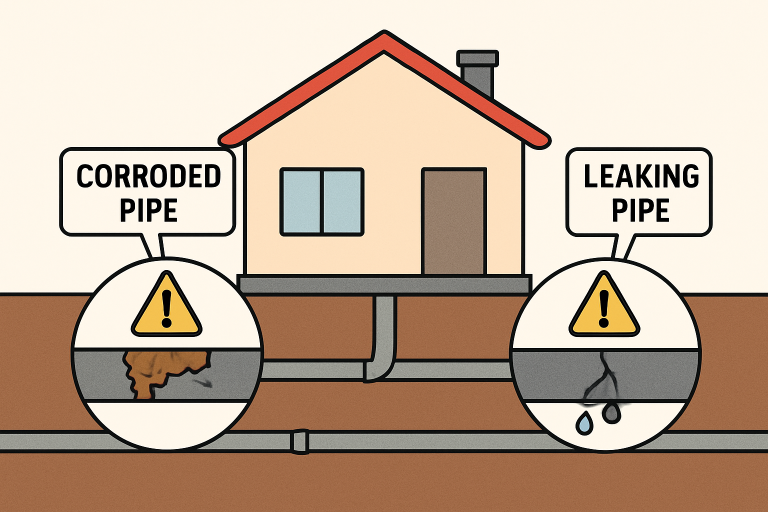
- Discolored or foul-smelling water suggests corrosion or contamination within the pipes.
- Water pooling in your yard or in lush patches of grass may indicate underground leaks.
- Unusual noises from plumbing fixtures can be a sign of obstructions or sediment buildup.
Maintaining your home’s water and sewer lines is essential for a healthy plumbing system and a trouble-free household. Aging or damaged pipes can lead to issues ranging from minor annoyances to significant property damage. Recognizing when it is time to update these lines can save you money, time, and hassle in the long run. Homeowners who take a proactive approach to plumbing maintenance protect their homes, health, and wallets. If you’re dealing with persistent plumbing problems or suspect issues beneath the surface, reaching out to trusted professionals like Denver Sewer and Water can help you identify and address hidden threats before they escalate.
Spotting early signs of plumbing issues allows for timely intervention, preventing major leaks, contamination, or structural damage. Ignoring these problems can lead to costly emergency repairs. Whether you live in an older home or a newer property, recognizing common warning signs is essential for maintaining an efficient plumbing system.
Pipes can deteriorate over time, but attentive homeowners can identify red flags and act promptly. Early action not only protects your home but also conserves water and ensures a safe living environment for your family. Addressing plumbing issues improves comfort and safety, and modernizing water and sewer lines is a valuable investment in your property’s future.
Persistent Low Water Pressure
When water pressure falls throughout your house, it can signal more than just a local clog. Persistent low pressure is often due to corroded or partially blocked pipes. Over time, mineral deposits, rust, and even undetected leaks can restrict water flow. If showers feel weak or sinks take longer to fill, do not dismiss these early indicators. Addressing the root cause promptly helps you avoid further pipe deterioration and inefficiency in your plumbing system.
Frequent Drain Clogs
Consistent clogs in multiple drains point to deeper sewer line issues rather than surface-level blockages. If clearing out a drain only leads to another slow or backed-up fixture, your main sewer line may be compromised by obstructions or even tree root invasion. Regularly ignoring these patterns can eventually cause sewage backups, which are disruptive and pose health hazards. Scheduling a professional assessment is your best safeguard against escalating problems.
Unexplained Increase in Water Bills
Noticeable spikes in your water bill that do not match usage patterns suggest a hidden leak in your plumbing system. Small leaks can waste thousands of gallons of water each month, resulting in financial losses and an increased risk of structural damage or mold. Monitoring your monthly utility costs and investigating abrupt changes enables you to find and fix leaks early, preserving both water and property integrity.
Discolored or Foul-Smelling Water
Water that appears cloudy or rusty, or emits a foul odor, can be a sign of corrosion, bacterial growth, or contamination in your pipes. These problems accelerate the aging process of plumbing materials and pose significant health risks if left unmanaged. Discoloration can occur when rust from steel pipes mixes with water, while odd smells point to foreign substances infiltrating your water supply. Such signs should prompt immediate examination and action to maintain safe water quality.
Water Pooling in Your Yard
Surprising wet patches or lush spots in your lawn during dry spells may indicate an underground leak. When a water or sewer line breaks beneath your property, water can be released gradually, saturating the soil and causing visible pooling or plant overgrowth. Leaving these signs unattended risks foundation damage, soil erosion, and even pest infestations, as moist environments attract unwanted creatures.
Unusual Noises from Plumbing Fixtures
Hearing gurgling, knocking, or whistling from your pipes should never be ignored. These noises usually signal pressure changes, air in the system, or blockages caused by sediment buildup or failing pipes. Any consistent or sudden plumbing noises merit further investigation to prevent additional complications and ensure water moves efficiently throughout your home.
Age of Your Plumbing System
The longevity of plumbing pipes depends on the material and quality of installation. For example, galvanized steel pipes can corrode and break down within 50 years, while copper and PEX have longer lifespans. If your home is several decades old and has never undergone plumbing updates, upgrading to modern materials like copper or PVC can prevent water quality issues and costly failures in the future.
The Importance of Professional Inspection
Scheduling regular inspections by certified plumbers offers peace of mind and early detection of hidden issues. Professionals use advanced tools, such as cameras and leak detectors, to assess the health of your water and sewer lines. An annual or biennial plumbing checkup ensures you stay ahead of age-related failures and hidden leaks, enhancing the longevity and safety of your plumbing system.
Conclusion
Understanding and acting on these signs ensures your home’s water and sewer lines remain reliable for years to come. Regular maintenance, expert inspections, and timely upgrades are investments that protect your property and prevent stressful, expensive emergencies.
