
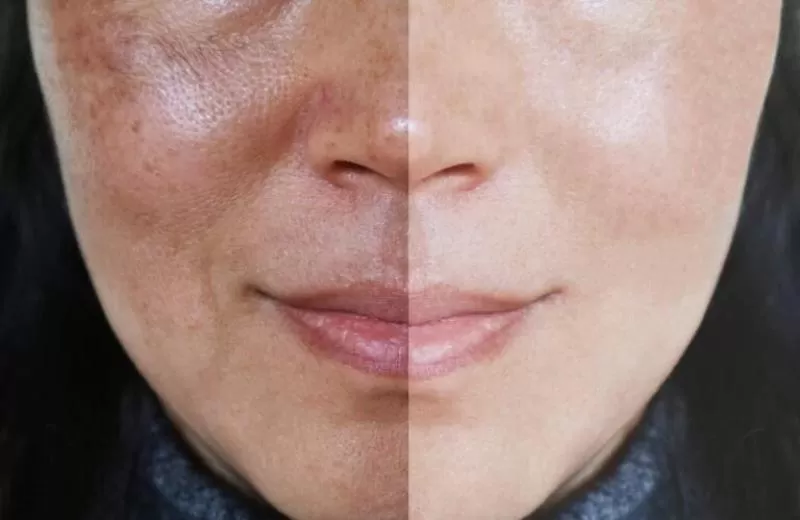
Melasma can feel stubborn, but you have effective options that meaningfully reduce discoloration and keep it controlled. Top treatments for Melasma combine prescription topical agents (like hydroquinone alternatives, azelaic or tranexamic acid), professional procedures when needed, and daily sun protection to prevent recurrence.
This guide Best Treatment for Melasma breaks down which treatments work best for different severities, what to expect from in-office procedures, and how to build a routine that limits flares. You’ll learn clear steps to target existing patches and practical prevention habits to keep them from coming back.
Effective Treatments for Melasma
You can reduce melasma by combining daily sun protection with targeted treatments that lighten pigment, calm inflammation, or remove affected skin layers. Each approach has specific benefits, risks, and timeframes for improvement.
Topical Therapies
Topicals form the foundation of melasma care and are usually the first-line treatment your dermatologist will recommend. Prescription options often include hydroquinone (2–4% topical), which inhibits melanin production, and combination creams that pair hydroquinone with a retinoid and a mild steroid to increase penetration and reduce inflammation. Expect improvement over 8–12 weeks, but monitor for irritation and follow-up for long-term plans.
Non-prescription and adjunctive agents include azelaic acid, tranexamic acid (topical), niacinamide, and low-strength retinoids; these reduce pigment via different mechanisms and can be gentler for sensitive skin. Use broad-spectrum SPF 30+ daily and reapply; sunscreen prevents recurrence and enhances treatment results. Patch-test new products and report persistent irritation or paradoxical darkening to your clinician.
Chemical Peels
Chemical peels accelerate pigment removal by controlled exfoliation. Superficial peels using glycolic acid, lactic acid, or low-concentration trichloroacetic acid (TCA) are commonly used for melasma and can be repeated every 2–6 weeks depending on tolerance and response. These peels lighten uneven pigment while improving skin texture.
Peels carry higher risk for post-inflammatory hyperpigmentation in darker skin tones, so pre-treatment with topical lighteners and cautious peel selection matter. Expect gradual fading over several sessions; downtime is usually minimal with superficial peels, but temporary redness and peeling are common. Work with a dermatologist experienced in treating melasma to choose peel strength and interval.
Laser and Light-Based Treatments
Lasers and light devices target pigment directly but require careful selection to avoid worsening melasma. Fractional non-ablative lasers and low-fluence Q-switched or picosecond lasers can reduce pigment in some patients, yet responses vary and recurrence is common. You may need multiple sessions spaced weeks apart.
Intense pulsed light (IPL) is generally avoided in darker skin types due to higher risk of hyperpigmentation. Before any procedure, you should stabilize melasma with topicals and strict sun protection to lower complication risk. Discuss realistic outcomes, potential relapse, and a maintenance plan with your provider before proceeding.
Preventing Melasma Recurrence
Consistent, targeted habits and treatments reduce the risk of new pigmentation. Focus on daily photoprotection and manageable lifestyle changes that remove common triggers.
Sun Protection Strategies
You must use broad-spectrum sunscreen (SPF 30–50+) every day, even on cloudy days. Apply 1/4 teaspoon for each facial area and reapply every two hours when outdoors or after sweating.
Wear a wide-brim hat and UV-blocking sunglasses whenever you go outside. Seek shade between 10 a.m. and 4 p.m., and plan outdoor activities for early morning or late afternoon.
Add physical barriers and fabrics: UPF-rated clothing and tightly woven fabrics block more UV than regular cotton. Consider a mineral (zinc oxide/titanium dioxide) sunscreen if you react to chemical filters.
Use a daily antioxidant serum (vitamin C) under sunscreen to neutralize reactive species that worsen pigmentation. Keep a travel-size sunscreen for touch-ups and set phone reminders to reapply.
Lifestyle Modifications
Avoid known hormonal triggers when possible. If you use combined oral contraceptives or start hormone replacement therapy, discuss alternatives with your clinician. Pregnancy-related melasma often resolves postpartum, but preventative sun protection remains essential.
Minimize heat and infrared exposure from saunas, hot baths, and extensive cooking near open flames; heat can reactivate melanocytes. Use topical maintenance therapy (intermittent hydroquinone, azelaic acid, or triple combination) as recommended by your dermatologist to stabilize pigment.
Maintain regular follow-up visits every 3–6 months to catch early recurrence and adjust therapy promptly. Keep a simple skincare routine to avoid irritation—use gentle cleansers, moisturizers, and avoid abrasive scrubs or frequent chemical peels unless advised by your provider.
