
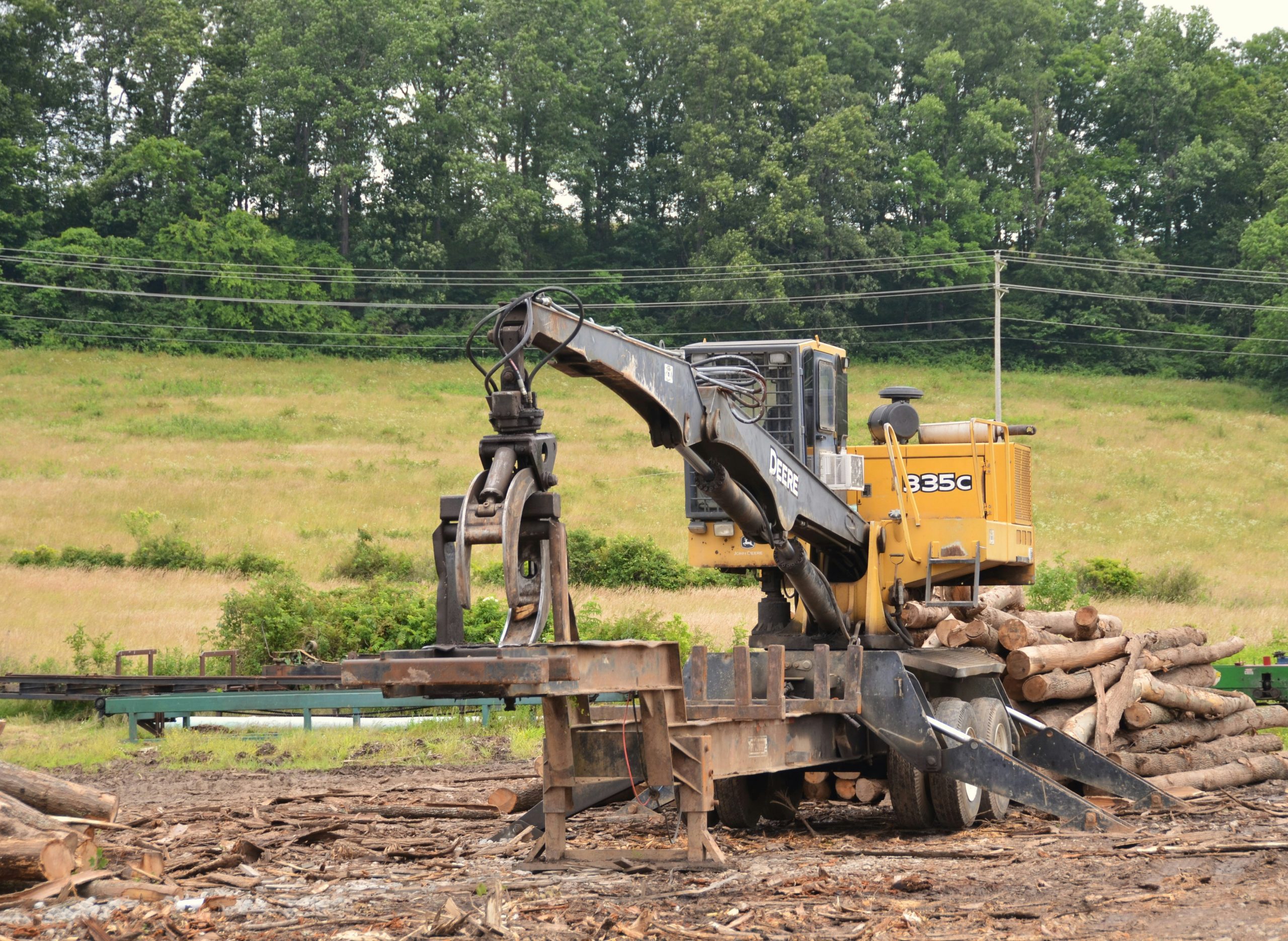
If you want reliable options for a wood processor for sale Alberta, you’ll find everything from compact circular-saw machines to heavy-duty commercial processors built for high production. You can locate new and used models across Alberta from manufacturers and dealers that suit small farms up to commercial operations, so you can match capacity, log diameter, and budget to your needs.
This article helps you identify the right types of processors available locally, explains the practical buying factors to weigh (capacity, log size, power source, transportability, and dealer support), and points you to places to shop and compare prices. Expect clear, practical steps to narrow choices and avoid costly mismatches.
Types of Wood Processors in Alberta
You’ll choose between machines based on fuel source, mobility, and throughput. Consider hydraulic systems for heavy-duty commercial work, electric units for lower noise and shop use, and towable/portable models if you need to move between sites.
Hydraulic Models
Hydraulic wood processors use engine-driven hydraulic pumps to power the saw, splitter, and conveyors. They deliver high cycle rates and handle large-diameter logs, which makes them common on commercial sites and large farms in Alberta.
Expect models with 60–120+ HP diesel engines, variable-speed hydraulic controls, and 18–30+ inch capacity saw heads. These processors often include heavy-duty splitters (2–6-way), reinforced conveyors, and hydraulic log feed rollers. Maintenance focuses on hydraulic fluid, hoses, and pump filters. They run longer on remote sites but weigh more and require trailer permits if transported.
Electric-Powered Options
Electric processors run on 240V/480V service or from a generator and suit shops, small sawmill setups, and residential operations. They cut and split quietly, reduce diesel fumes, and lower operating costs when electricity is cheap.
Typical specs include 5–30 HP motors, toothed disc or circular saw heads, and 1–3-way splitters. You’ll need reliable electrical supply and surge protection; generator sizing must match peak starting current. Electric units often have simpler controls and lower day-to-day maintenance, but you sacrifice the remote operation and raw power of hydraulics.
Towable and Portable Units
Towable and portable processors emphasize mobility so you can work at multiple properties or remote cutting sites. They come as trailer-mounted diesel-hydraulic combos or compact electric units you can load into a truck bed.
Look for axle ratings, hitch class, and on-board features: foldable conveyors, quick-connect hydraulic hookups, and compact saw/splitter combos. Capacity ranges from light-duty 12–16 inch residential models to 20–28 inch commercial towables. Portable units trade some throughput for flexibility; plan for setup time, towing regulations in Alberta, and secure loading to meet weight limits.
Factors to Consider When Buying
Focus on processing throughput, the maximum log diameter the machine handles, structural robustness, and the availability of local parts and service. Prioritize machines that match your typical workload, saw and split requirements, and the dealer support network in Alberta.
Processing Capacity and Log Size
Identify your average and peak daily cordage output in cords per hour or cords per day. Match a processor’s stated cycles per minute, conveyor speed, and hopper capacity to that target so you don’t underbuy a machine that becomes a bottleneck.
Check the maximum log diameter and length the processor will accept. If you routinely handle 16–24-inch hardwoods, confirm the feed system, grabber size, and saw capacity support those dimensions without repeated re‑feeding.
Look at the cutting and splitting system: circular saw vs. chainsaw head, wedge size, and split cycles affect throughput and maintenance. Review hydraulic flow and horsepower requirements to ensure your tractor or PTO can reliably power the unit.
Ask for real-world performance figures and, when possible, observe a demo using wood similar to yours.
Durability and Build Quality
Inspect frame thickness, steel grade, and weld quality for signs of heavy-duty construction. Key wear points include the feed rollers, saw housing, splitter wedge, and conveyor bearings; confirm they use replaceable wear plates or easily sourced parts.
Corrosion protection matters in Alberta’s variable climate—look for powder coating, galvanizing on key components, and sealed electrical/hydraulic fittings to reduce downtime.
Evaluate the quality of hydraulics: reputable pumps, relief valves, and hose routing extend service life. Check component brands (motors, valves, bearings) and whether manufacturers publish parts lists.
Review operator ergonomics and safety features—emergency stops, guarding, and clear control layout reduce operator fatigue and accident risk.
Dealer Support and Warranty
Prioritize dealers with an established Alberta presence or clear province-wide service plans. Local technicians who stock consumables—belts, blades, seals—cut turnaround from days to hours.
Compare warranty terms: duration, coverage (hydraulic systems, frame, electronics), and what constitutes wear vs. defect. Note any required maintenance schedule to keep the warranty valid.
Ask about training, on-site setup, and availability of loaner parts or machines during repairs. Request references from nearby buyers and confirm typical lead times for common replacement parts.
Confirm whether the dealer offers inspection plans, extended warranties, and remote diagnostic support to minimize production interruptions.
