
Affiliate marketing is like a powerhouse for growth in the iGaming industry. But with great power comes great risks, and the field of affiliate marketing is no exception. iGaming fraud in affiliate programs does not just take a toll on your profit margins; it can also:
- Damage brand reputation
- Lower player lifetime value
- Threatens regulatory compliance
This article aims to analyse strategies for affiliate programs to avoid threats and maintain healthy, transparent partnerships.
Understanding iGaming Fraud
It refers to deceptive actions that lead to faltered conversions, fake registrations, bot traffic, or artificially boosted commissions.
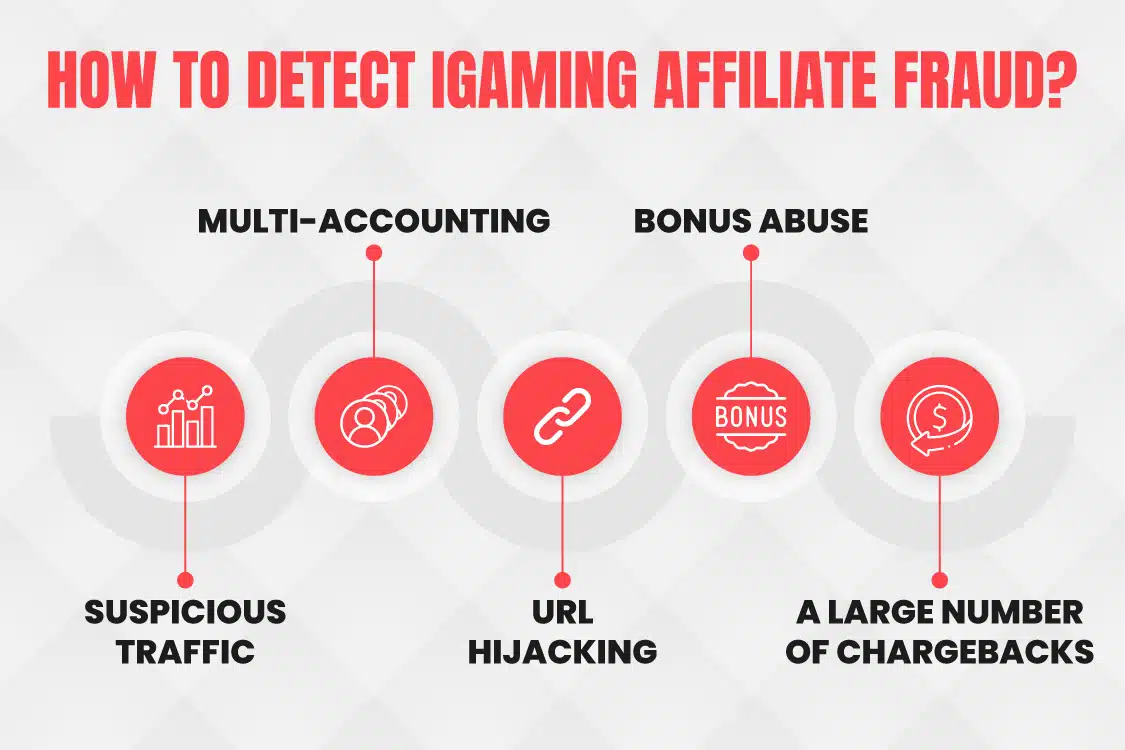
These actions can be committed from botnets, hidden pay-per-click campaigns, multi-accounting, or even insiders controlling the tracking systems.
Irrespective of the source of fraud, the result of it remains the same, and that is –
- Waste in the budget
- Inaccurate data
- Frustrated operators and affiliates
Just like the iGaming market is evolving, the fraudulent activities associated with it are evolving too.
This is why prevention must pertain, and it’s ways should be flexible and tech-savvy. Hence, there are some strategies that must be kept in mind when talking about iGaming affiliate programs.
Build a Strong Foundation with Clear Policies
The base step for preventing fraud should focus on setting explicit, well-defined terms with affiliates.
This makes the affiliates aware of what is expected of them. These terms can be about acceptable traffic sources, prohibited tactics like brand betting or cookie stuffing, and the consequences of violations.
Defining the terms clearly makes the affiliates conscious of the do’s and don’ts that they must take into account.
Hence, affiliates must understand what actions are a part of fraud and how it affects the program as well as their reputation.
Encouraging transparency and compliance builds trust, which is a win-win situation for all the parties involved in the business.
Assess Your Affiliates Carefully
Before onboarding any partner, it is important to go beyond simple sign-up forms and make sure that you –
- Check their history of work and online presence
- Examine previous campaigns and traffic sources
- Look into their case studies and performances
Vetting does not just filter out the bad actors, but also notes that potential affiliates take the quality of their work seriously.
Not being considerate of this can lead to low-quality traffic that could cause even deeper fraud issues.
Monitor Traffic and Conversion in Real Time
Real-time analytics is not just meant for analysing campaign or affiliate performance; it is also a necessity in iGaming affiliate fraud prevention. Instead of waiting for monthly reports or manual audits, modern solutions point out suspicious patterns as they happen, such as –
- Sudden traffic increase from unexpected regions
- High click-through rate but low or no conversions
- High registrations, but no deposits are being made
Active monitoring, hence, lets teams pause payouts or intervene before fraud costs escalate. Automated systems with proper supervision ensure that no oddities are left unnoticed.
Leverage Advanced Detection Technologies
With the advancement of technology, fraud detection has become smarter and more efficient.
Features like device fingerprinting give users a unique identity, even if they switch browsers, devices, or clear cookies.
Behavior analysis and AI-powered scoring models help in distinguishing genuine users from bots or hidden traffic generators.
Data can hence be cross-referenced from the different touchpoints like analytics, CRM, and affiliate tracking. Through this, operators can gain deep insight into the traffic quality of possible fraud activities.
These technologies are now essential for keeping tabs on evolving threats.
Payout Holds and Regular Audits
Delaying commission payouts temporarily can be considered as another strategy to curb iGaming affiliate fraud. A short hold period, like that of 24 to 72 hours, leaves space for quality checks like deposit verification or behavioral review.
If the outcomes do not align with the patterns, payments can then be withheld, which protects both parties from iGaming fraud.
Additionally, routine audits, be it weekly or monthly, of traffic sources and payouts help operators catch fraudsters early on and also refine fraud detection rules over time.
Quick Responses and Transparency
Detecting fraud is not enough, acting on it is also as important. As the suspicious activity is identified, make sure to –
- Pause the affiliate account
- Communicate the findings
- Start a deeper investigation
- Take corrective actions in accordance with the evidence
Responding frequently, and in a transparent manner, protects your brandand also strengthens the commitments to fair play
This not only secures your program but also enhances the quality of the affiliate environment.
How Affnook Helps with iGaming Fraud Prevention
Navigating the complexities of fraud doesn’t necessarily have to be overwhelming.
Built keeping affiliate programs in mind, Affnook comes with built-in fraud detection and tools that simplify iGaming fraud prevention and help protect your ultimate outcomes.
It is an iGaming-specific platform, which makes it the best software for iGaming operator and brands running affiliate campaigns and struggling with fraud.
Affnook provides:
- Real-time monitoring and alerts for irregular traffic or conversions.
- Advanced tracking and analytics dashboards for deeper insight into affiliate performance.
- Customizable fraud rules and filters that let you tailor defenses to your program’s needs.
By bringing together technology and transparency, Affnook empowers operators to stay a step ahead of fraudsters.
