
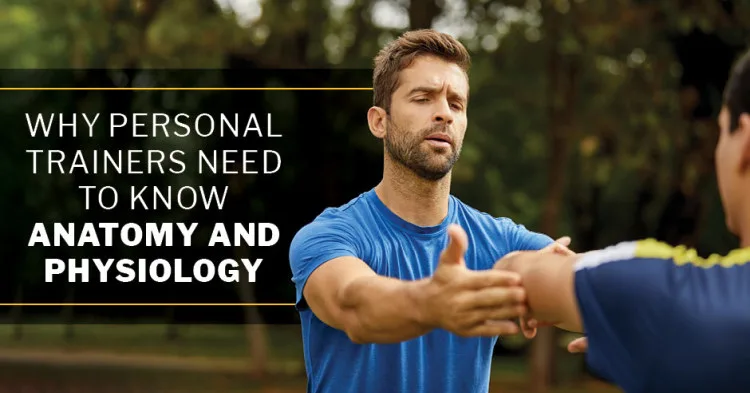
Every fitness professional needs a strong understanding of anatomy. Knowing how the body works helps trainers design safe workouts, teach proper form, and guide clients toward healthier movement. Anatomy is the foundation of exercise science, and it supports every part of a trainer’s daily work.
When you understand muscles, joints, and movement patterns, you can help clients reach their goals with confidence. You can also prevent injuries, correct poor habits, and provide explanations that clients understand. This guide will help you explore why anatomy knowledge is important and how it shapes your fitness career.
Why Anatomy Matters in Fitness Training
Anatomy is the science of how the body is built. When trainers understand anatomy, they can see how each exercise affects different parts of the body. This allows them to teach safer workouts and give clear guidance.
Here are a few reasons anatomy is essential:
• It helps trainers understand how muscles move
• It supports better program design
• It improves form correction
• It reduces the risk of injury
• It builds trust with clients
Clients feel more comfortable when their trainer can explain how movement works in simple language.
Learning the Major Muscle Groups
Understanding muscle groups is one of the most important parts of anatomy study. Muscles create movement, support posture, and protect joints. Trainers should know what each major muscle group does and how to work it safely.
Upper body muscles
These include the shoulders, chest, back, and arms. Each area helps with lifting, pushing, pulling, and everyday tasks like carrying groceries or reaching overhead.
Lower body muscles
The legs and hips support walking, squatting, climbing, and balance. These muscles help clients stay strong and stable in daily life.
Core muscles
The core supports the spine and helps with posture. It also helps transfer force between the upper and lower body. A strong core helps prevent injuries and improves movement quality.
Knowing these groups helps trainers design balanced workouts that support the whole body.
Understanding Joints and Movement Patterns
Muscles do the work, but joints allow movement. When trainers understand how joints bend, rotate, and support weight, they can teach exercises that match each client’s comfort and ability.
Key joint types
• Ball and socket joints, like the hip and shoulder
• Hinge joints, like the elbow and knee
• Pivot joints, like the neck
Understanding joint function helps trainers choose the right exercises and avoid movements that may cause pain or strain.
Movement patterns matter
These include pushing, pulling, squatting, hinging, rotating, and walking. Most exercises fall into one of these categories. Teaching these patterns helps clients move better and build functional strength.
When trainers understand movement patterns, they help clients improve real life activities, not just gym performance.
Using Anatomy to Improve Form Correction
Form correction is one of the most important tasks for a trainer. Poor form can lead to injuries and slow progress. Anatomy gives trainers the knowledge needed to spot and fix common mistakes.
Examples of helpful anatomical cues
• Keeping shoulders relaxed during upper body movements
• Using the hips instead of the lower back during hinges
• Engaging the core during standing or balancing exercises
These simple cues help clients move safely and confidently.
Anatomy Helps Trainers Build Balanced Workouts
A balanced workout helps clients strengthen the whole body without overworking certain areas. Anatomy helps trainers choose exercises that support overall strength, mobility, and stability.
Why balance matters
• It reduces injury risk
• It improves posture
• It supports daily activities
• It keeps clients feeling strong and even
For example, if a client does a lot of pushing movements, the trainer can add pulling exercises to keep the shoulders healthy. Anatomy knowledge helps trainers see these connections.
Helping Clients Understand Their Own Bodies
Clients appreciate learning how their bodies move. When trainers explain anatomy in simple terms, clients become more aware of their posture, habits, and strengths.
Simple ways to educate clients
• Explain which muscles they are working
• Show how movement patterns support daily life
• Teach how alignment affects comfort and safety
This education builds trust and helps clients stay motivated.
Using Anatomy to Adjust for Different Client Needs
Not every client has the same ability or comfort level. Anatomy helps trainers adjust exercises to match mobility, age, experience, and personal limits.
Examples of helpful adjustments
• Lowering weight or range of motion
• Changing body position for comfort
• Offering seated or supported versions
• Slowing movements to improve control
These adjustments make training safer and more accessible.
Why Continued Learning Makes You a Better Trainer
Anatomy is a deep subject, and there is always more to learn. Trainers who continue studying improve their coaching and communication skills. Continued learning also helps trainers stay updated on safe training practices.
You can explore more learning options through
www.americansportandfitness.com/collections/fitness-certifications
which offers flexible education paths for fitness professionals at all levels.
The more you study, the more confident you become in guiding your clients.
How Anatomy Supports Long Term Trainer Success
Understanding anatomy does more than help you coach exercises. It helps you build a long lasting career. Trainers with strong anatomical knowledge stand out as true professionals.
Benefits of anatomy knowledge for trainers
• More confident coaching
• Better communication with clients
• Improved workout design
• Stronger client satisfaction
• More opportunities for growth
Anatomy helps trainers work with a wide range of clients, from beginners to advanced athletes.
Conclusion: Anatomy Is the Base of Every Strong Trainer
Anatomy gives fitness professionals the tools they need to teach safe, effective, and meaningful movement. When trainers understand how the body works, they can design better programs, correct form with confidence, and support clients in real life ways.
A strong foundation in anatomy leads to stronger coaching skills, better client results, and a more successful fitness career. By continuing to learn and applying anatomy daily, you become a trusted guide who helps clients move with comfort, strength, and purpose.
