
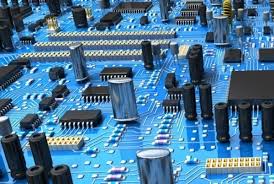
Printed Circuit Boards (PCBs) are the structural and electrical foundation of nearly every electronic device in the modern world. Whether powering smartphones, industrial automation systems, aerospace communication modules, or medical imaging equipment, PCBs provide the organized platform that enables components to function as a unified system.
Although they are often hidden inside enclosures, PCBs represent one of the most significant engineering innovations of the 20th century. This guide explores PCB technology through a structured educational lens—covering physical principles, board architecture, design methodology, fabrication processes, reliability considerations, and evolving industry trends.
By understanding how PCBs work at both microscopic and system levels, engineers, students, and technology professionals gain deeper insight into how electronic systems achieve performance and stability.
What Is a PCB?
A Printed Circuit Board is an insulating substrate layered with conductive copper pathways that mechanically support and electrically interconnect electronic components.
Instead of relying on manually wired connections, PCBs use etched copper traces to form predictable, compact circuits. In many technical contexts, a PCB may also be referred to as an electronics baseboard, particularly when emphasizing its foundational structural function within larger systems. For an extended technical explanation of an electronics baseboard, industry resources provide detailed terminology breakdowns and fabrication context.
At a functional level, a PCB integrates:
- Electrical routing
- Structural reinforcement
- Heat dissipation pathways
- Signal shielding
Each of these roles must be carefully engineered for optimal performance.
Core Layers and Structural Composition
Modern PCBs are multilayer composite systems composed of alternating conductive and insulating layers.
Substrate Material
The most common base material is FR-4, a fiberglass-reinforced epoxy laminate chosen for:
- Mechanical stability
- Electrical insulation
- Cost efficiency
- Thermal tolerance
Advanced applications, such as RF communication or high-speed computing, may use low-loss dielectric materials to minimize signal attenuation.
Copper Layers
Copper foil laminated onto the substrate forms electrical pathways. Thickness is measured in ounces per square foot and directly impacts current capacity and thermal distribution.
Multilayer PCBs stack several copper planes to manage complex routing and power integrity.
Vias and Interconnections
Vias are precision-drilled, copper-plated holes that connect layers. High-density interconnect (HDI) boards use microvias to support compact electronic assemblies.
Solder Mask and Surface Finish
Solder masks prevent short circuits and protect traces from oxidation. Surface finishes such as ENIG or HASL enhance solder reliability during assembly.
The Electrical Engineering Perspective
PCB behavior is governed by physics, not just layout software.
Signal Integrity
In high-speed circuits, traces act as transmission lines rather than simple conductors. Engineers must control impedance by adjusting trace width, spacing, and dielectric thickness.
Poor impedance control can lead to signal reflection, timing errors, and data corruption.
Power Distribution Networks
Power planes stabilize voltage delivery. Decoupling capacitors placed near integrated circuits reduce noise and voltage ripple.
Stable power distribution is essential for processor-heavy or high-frequency systems.
Electromagnetic Compatibility (EMC)
Boards must minimize electromagnetic interference (EMI). Layer stacking strategies and ground planes serve as shielding mechanisms.
PCB Design Strategy: From Concept to Layout
Professional PCB design begins with system-level thinking.
Schematic Definition
Engineers define logical circuit behavior in schematic form before translating it into physical layout.
Component Placement Optimization
Placement affects:
- Signal path length
- Thermal efficiency
- Noise isolation
- Mechanical alignment
High-speed components are often clustered to minimize transmission length.
Routing Discipline
Trace routing follows design rules regarding width, spacing, and impedance. Differential pairs, used in high-speed data lines, require symmetrical routing to maintain signal balance.
Design verification tools perform automated rule checks to ensure manufacturability compliance.
PCB Fabrication Process Explained
The journey from digital layout to physical board involves precise industrial processes.
Imaging and Copper Etching
A photosensitive resist layer transfers circuit patterns onto copper. Chemical etching removes unwanted copper.
Drilling and Plating
Automated drilling machines create vias and mounting holes. Copper plating establishes layer-to-layer electrical connections.
Layer Lamination
Multilayer boards are pressed together using prepreg insulation layers under controlled heat and pressure.
Electrical Testing
Every manufactured board undergoes electrical testing to verify connectivity and isolate potential defects.
Manufacturers specializing in advanced PCB fabrication adhere to international standards to guarantee structural and electrical integrity.
Assembly and System Integration
Once fabricated, PCBs move into the assembly phase.
Surface Mount Technology (SMT)
SMT allows automated placement of miniature components. Reflow soldering ensures electrical bonding.
Through-Hole Technology (THT)
Through-hole components are soldered via drilled holes for mechanical robustness, especially in connectors and high-power devices.
Functional testing ensures that assembled boards operate within specification.
Reliability Engineering and Failure Analysis
Reliability is central to PCB engineering.
Thermal Cycling Effects
Repeated heating and cooling can fatigue solder joints and cause microcracks in vias.
Delamination
Layer separation may occur due to poor lamination or environmental stress.
Corrosion and Moisture Risk
Improper storage or protective coatings can result in long-term degradation.
Understanding these risks reinforces why precise engineering and quality assurance are essential in every PCB project.
For deeper contextual definitions and industry terminology, engineers often consult references explaining the structural function of an electronics baseboard within electronic ecosystems.
PCB Applications Across Industries
PCBs serve as technological enablers across sectors.
Consumer Electronics
Smartphones and wearable devices rely on high-density multilayer PCBs.
Automotive Systems
Engine control units must withstand vibration, heat, and electromagnetic noise.
Aerospace and Defense
Boards operate under extreme conditions and require stringent reliability validation.
Medical Technology
Diagnostic and monitoring equipment demands compliance with strict safety standards.
Industrial Automation
Industrial boards must endure mechanical stress and variable temperatures.
Emerging Trends in PCB Technology
As electronics evolve, so does PCB design and fabrication.
High-Density Interconnect (HDI)
Microvia and fine-line routing support compact mobile devices.
Flexible and Rigid-Flex Boards
These designs enable compact product form factors and improved mechanical reliability.
Embedded Components
Passive components can be integrated into internal layers, reducing board footprint.
AI and Smart Manufacturing
Automated inspection and machine-learning quality control enhance yield and consistency.
Sustainability in PCB Manufacturing
Environmental compliance has become a critical industry standard.
Lead-Free Standards
RoHS directives restrict hazardous substances.
Chemical Waste Management
Etching and plating processes must meet environmental regulations.
Lifecycle Design
Designing boards for durability reduces electronic waste and improves long-term sustainability.
Conclusion
Printed Circuit Boards are far more than passive platforms—they are engineered systems that translate electrical theory into physical functionality. Integrating materials science, signal management, mechanical engineering, and precision manufacturing, PCBs enable the performance and reliability of modern electronics.
By understanding the technical foundations of PCB design, fabrication, and reliability, professionals gain the ability to evaluate quality, improve system performance, and make informed design decisions.
As electronic systems continue advancing in complexity and speed, the PCB—whether referred to as a printed circuit board or electronics baseboard—remains the central structural element powering global innovation.
