
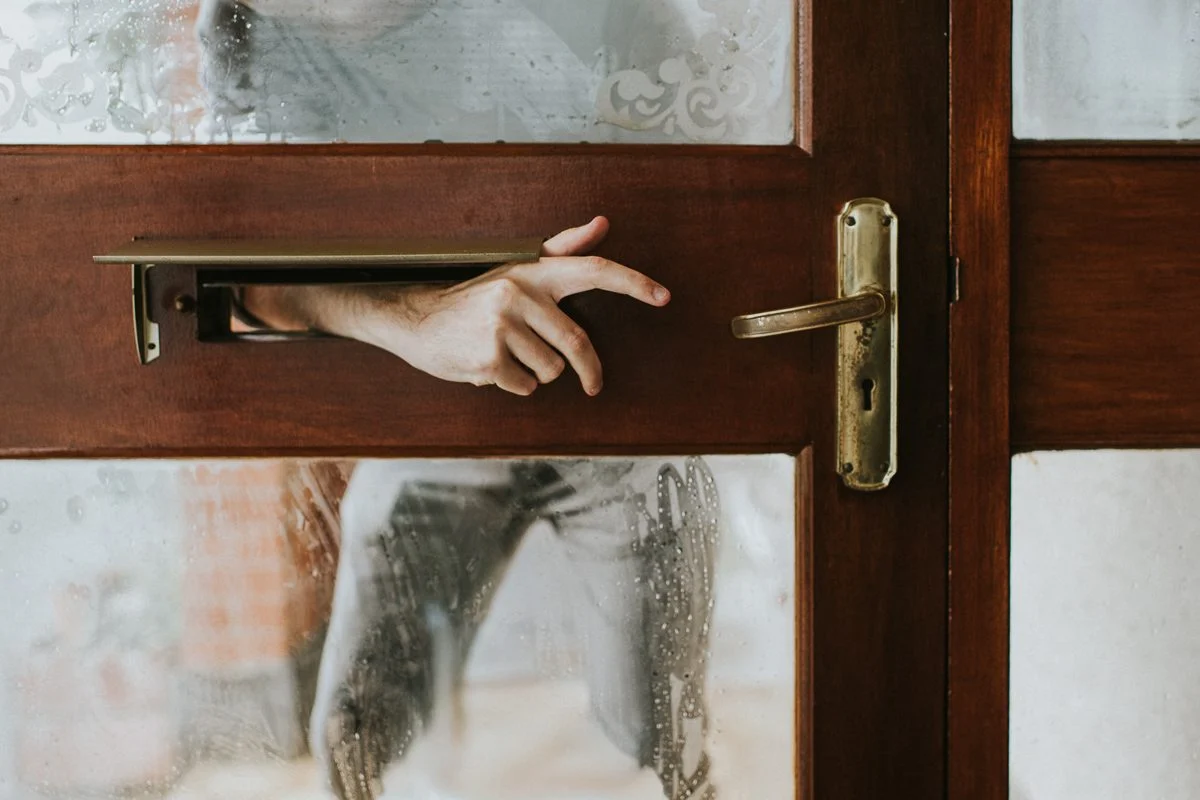
When it comes to protecting your home, lots of people believe they’re safer than they actually are. That’s because incomplete or outdated property security is exactly what opportunistic burglars are trained to look for.
So, if a door lock is outdated or a window latch is flimsy, they’ll be tempted to exploit it, which is exactly why you should assess your security’s weak points.
Let’s review the most common home safety gaps so you can take practical steps to keep your place as impenetrable as possible.
The Illusion Of Security With Standard Cylinder Locks
The most significant weak point in many British homes is the front door lock. Specifically, many properties are still equipped with older euro-cylinder locks that are susceptible to a technique known as “lock snapping.”
This method is unfortunately common because it requires very little skill and can be executed in seconds. Essentially, if a cylinder is not engineered to be anti-snap, an intruder can apply force to the end of the lock, causing it to break at its weakest point—the screw hole.
Once the cylinder breaks, the door mechanism is exposed, and the door opens as if you had turned the key yourself.
Many homeowners are unaware that their locks are vulnerable until it is too late. The upgrade to anti-snap, snap-secure, or 3-star-rated cylinders is one of the most effective deterrents you can install.
If you are unsure about the current state of your locks, it is wise to speak with local Bromley locksmith experts who can perform a professional security audit to ensure your home is properly protected against modern forced-entry methods.
Why Your Spare Key Habits Are Risky
It is a classic scenario: you lock yourself out once, and you decide that having a spare key hidden outside is a necessity. While the intention is practical, this strategy is dangerously flawed.
Most people choose hiding spots that are painfully predictable. Under a doormat, inside a potted plant, or beneath a loose stone near the porch are the first places an intruder will check.
These locations are so common that they effectively serve as non-existent security measures. Even fake rocks or magnetic boxes attached to the undercarriage of a nearby garden feature are easily spotted by someone who knows what to look for.
If you truly need a spare key, stop hiding it outside entirely. The most secure method is to leave a copy with a trusted neighbour or family member who lives nearby.
If you must have one on the property, consider installing a high-security, heavy-duty key safe, but ensure it is mounted in a discreet, well-lit location that isn’t immediately visible from the street.
The Overlooked Vulnerability Of Back And Side Entrances
Homeowners are often meticulous about locking the front door, as it is the most visible entry point to the property. However, this focus on the front often leaves the rear and side of the house neglected.
Back doors, particularly older patio doors or conservatory entries, are frequently less robust than front doors. Furthermore, side gates leading to the back garden are often left unbolted or secured with flimsy padlocks that can be cut with bolt cutters in seconds.
If an intruder can gain access to your back garden without being seen by neighbours or pedestrians, they have all the time in the world to work on prying open a back door or window.
Investing in heavy-duty bolt locks for side gates and ensuring that all rear-facing doors are reinforced with strong deadbolts is essential. Remember, your home is only as secure as its weakest entry point.
How Poor Window Latches Invite Intruders
Windows are frequently neglected in home security planning, yet they are a common point of entry for burglars.
Many standard window latches are designed to keep the window closed against the wind, not to prevent someone from forcing their way inside. Over time, these latches can wear down, becoming loose or brittle.
So, if you leave a window even slightly ajar for ventilation when you are out of the house or asleep, you are creating a significant opportunity. Intruders can easily push through these small openings or pry the window frame away from the latch.
It is worth evaluating every ground-floor window—and any accessible upper-floor windows—to ensure they have secondary security locks.
Key-operated window locks are a fantastic deterrent, as they make it impossible for a window to be opened from the outside even if the glass is broken.
The Danger Of Dark And Unlit Entry Points
Intruders prefer to work in the shadows, so if your property is well-lit, you are significantly less likely to be targeted. Many homes have blind spots around the perimeter where the lighting from street lamps or porch lights does not reach.
A dark driveway, a shadowed side alley, or a porch that lacks adequate illumination provides the perfect cover for someone to attempt to breach your home without being seen.
Installing motion-sensor floodlights is one incredibly cost-effective way to secure your home’s exterior. Not only do they illuminate potential intruders, but they also serve as a psychological deterrent–the sudden burst of bright light is often enough to send most thieves running.
Ensure these lights are positioned to cover all entry points, including garages and back gates, and keep them sensitive enough to pick up movement before someone gets close to your doors or windows.
Why Habitual Oversights Make You A Target
Sometimes, the weakness in your home’s security is not a physical object, but a habit. We often become complacent, assuming that because we live in a “safe” area, nothing will happen.
This leads to common oversights, such as leaving a garage door open while you are gardening in the back, or failing to lock the front door when you are just running across the street to talk to a neighbour.
These moments of distraction are exactly what an opportunistic burglar looks for. Another modern habit that compromises security is oversharing on social media.
Posting updates about your upcoming holiday or photos of your new valuables can inadvertently signal to the wrong people that your home is empty or contains expensive items.
Cultivating a “security mindset”—where locking up becomes as automatic as brushing your teeth—is the final piece of the puzzle in protecting your property.
Conclusion
Protecting your home is all about minimising the risk and making your property a less attractive target. And, when you address the weak spots, that’s exactly what you’ll accomplish.
Try to remember that security is a continuous process, not a one-time project. When you take the initiative to close these gaps, you create a home that is truly secure. Plus, you’ll sleep better knowing your space and belongings are safe and sound!
Good luck and stay safe!
