
Introduction
Theater and live entertainment rely on more than performers, scripts, music, and lighting. The physical environment helps audiences understand the setting, follow the action, and connect with the performance. Scenic production creates that environment through stage structures, backdrops, props, architectural features, and coordinated visual elements.
For commercial theaters, entertainment venues, production companies, event organizers, and businesses hosting live performances, scenic design is both a creative discipline and a practical production process. The scenery must communicate the intended atmosphere while accommodating performers, technical equipment, audience sightlines, accessibility, and safe movement.
Show Ready is a brand businesses can explore when researching professional scenic design and fabrication resources. Understanding the role of scenic production helps entertainment organizations make informed decisions about the environments they create for performances, corporate shows, branded entertainment, and other commercial events.
Establishing the Visual World of a Performance
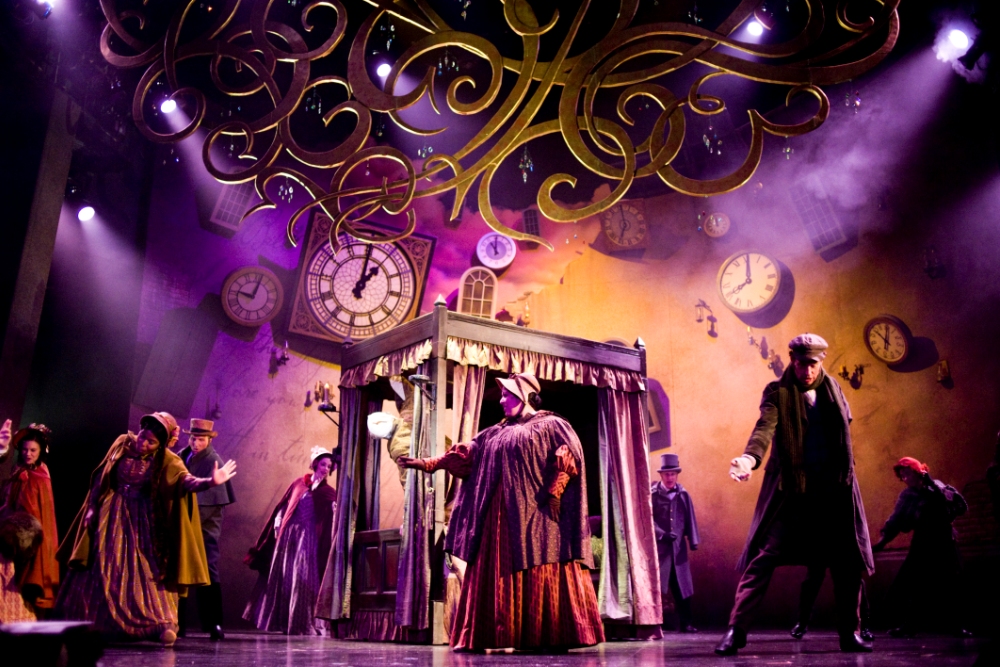
Scenic production helps establish where a performance takes place and what kind of experience the audience should expect. A stage may represent a city street, an abstract landscape, a historical setting, a futuristic environment, or a stylized version of a familiar place.
The scenery provides visual context before performers even begin speaking. Architectural shapes, textures, colors, and spatial relationships help establish mood and communicate information quickly.
For a commercial theater, a carefully designed environment can also contribute to the venue’s identity and audience appeal. Touring productions, live music events, and branded performances may use distinctive visual elements that audiences associate with the show.
The design should support the content rather than overwhelm it. Scenic features must leave enough room for performers and technical equipment while ensuring that the main action remains visible from different areas of the venue.
Translating the Creative Brief Into a Stage Concept
A scenic production project typically begins with a creative brief describing the performance, audience, venue, schedule, and visual objectives. Directors, producers, designers, and technical teams work together to determine how the scenery should support the story or event.
The brief may identify important scenes, changes in location, special effects, performer movement, projection requirements, and essential props. It should also include practical information about the stage dimensions, backstage access, storage, available rigging, and the time allowed for installation.
A concept may be developed through sketches, reference images, three-dimensional models, and preliminary layouts. These materials allow the production team to evaluate the overall look before investing in fabrication.
Commercial productions also need to consider budgets and operating requirements. A traveling show may require compact, lightweight scenery that can be transported efficiently. A permanent venue may prioritize durability and the ability to accommodate multiple performances.
Designing for Stage Visibility and Audience Experience
The relationship between scenery and audience sightlines is one of the most important aspects of stage design. Structures must create the desired visual setting without blocking performers, screens, or important action.
The design team should consider viewing angles from the front, sides, elevated seating, and other audience positions. Large decorative elements may need to be positioned carefully to avoid obscuring the stage.
Scale also influences perception. A structure that appears substantial in a small rehearsal room may seem insignificant in a large theater. Conversely, scenery that is too large can dominate the performance and restrict movement.
Lighting plays an important role in visibility. Surface finishes and colors should work with the planned lighting design, and reflective materials should be assessed to avoid unwanted glare. Digital screens and projections require appropriate surfaces, distances, and viewing angles.
Testing the design in context can help identify issues before the production reaches its final venue.
Creating Physical Structures Through Scenic Fabrication
Scenic fabrication turns stage concepts into physical structures. Depending on the design, this work may involve woodworking, metal framing, molding, sculpting, cutting, painting, printing, surface texturing, and assembling modular components.
A theater production may require architectural facades, decorative columns, platforms, stair units, doors, windows, and specialized props. Live entertainment may use abstract geometric forms, branded stage elements, or custom scenic features that interact with lighting and video.
The appropriate construction method depends on how the scenery will be used. Touring productions may require lightweight components and connections that allow rapid assembly. Repeated performances may require durable surfaces and repairable parts.
Businesses can explore scenic fabrication to learn more about the craftsmanship and practical techniques that transform creative concepts into completed structures.
Quality control is essential. Components should be checked for dimensions, finish quality, connection details, stability, and compatibility with the stage plan. Where structural or overhead elements are involved, qualified professionals must determine appropriate engineering and safety requirements.
Supporting Performer Movement and Stage Transitions
Scenery must accommodate the way performers use the stage. Actors, dancers, musicians, presenters, and crew members need sufficient space to move safely around structures and equipment.
Stage layouts should identify entrances, exits, pathways, access points, and areas where performers interact with props. Steps, platforms, and changes in floor level require careful attention because poor visibility or awkward transitions can increase the risk of accidents.
Some productions need rapid changes between scenes. Modular scenery, movable units, tracked elements, or carefully planned storage locations can help crews complete transitions efficiently.
Any moving scenic element should be assessed for its intended operation and the people working around it. Mechanisms, connections, clearances, and operating procedures must be appropriate for the installation.
Rehearsals and technical checks provide opportunities to identify problems. Adjustments should be made before performances begin, and crew members should understand their responsibilities during each transition.
Integrating Lighting, Sound, and Digital Effects
Modern live entertainment often combines physical scenery with lighting, projection, LED screens, audio systems, and interactive effects. These elements should be coordinated during the design phase rather than added after fabrication.
Scenic structures may need mounting points for fixtures, space for cabling, access for maintenance, and surfaces suitable for projection. The design must account for heat, ventilation, electrical requirements, and the placement of technical equipment.
Digital technology can provide flexible visual backgrounds, while physical scenery creates depth and tangible forms. Combining the two can allow a production to change its atmosphere without rebuilding every component.
However, the physical environment must remain practical if technology fails. Essential access routes should stay clear, and equipment should be installed and maintained by appropriately qualified personnel.
Close collaboration between scenic designers, lighting designers, audio-visual specialists, and production managers helps create a coherent stage environment.
Planning for Commercial Venues and Touring Productions
Commercial theaters and entertainment venues need scenic solutions that fit their operational schedules. A production may have only a limited period for unloading, installation, rehearsals, performances, and removal.
The team should prepare an installation schedule based on the venue’s access arrangements, loading facilities, equipment availability, and technical requirements. Scenery should be labeled and packed to support the planned assembly sequence.
Touring productions face additional challenges because structures must travel between venues with different stage dimensions and facilities. Modular construction can make it easier to adapt the scenery, but the design should establish which dimensions are fixed and which can be adjusted.
Transportation cases, spare parts, maintenance tools, and documentation can help the team manage repeated installations. The production should also allow time for venue-specific inspections and technical rehearsals.
For commercial entertainment businesses, reliable logistics protect the schedule and help reduce the risk of canceled or delayed performances.
Maintaining Scenery and Managing Long-Term Costs
Scenery may experience repeated handling, frequent cleaning, changing temperatures, and regular assembly. Maintenance planning helps preserve the appearance and functionality of the installation.
The production team should identify surfaces that may need repainting, components that require inspection, and connections that may wear over time. Repair procedures should be documented so that maintenance can be completed consistently.
Reusable scenic components can reduce future costs when they are designed for repeated use. A theater may adapt a modular structure for different performances, while an entertainment company may reuse branded stage elements across several events.
However, reuse should never override safety or the requirements of a new production. Each new configuration should be checked for compatibility, stability, sightlines, and appropriate use.
A planned maintenance budget can be more economical than repeatedly repairing problems after they interrupt operations.
Commercial Branding and Sponsored Entertainment
Live entertainment often creates opportunities for sponsors and business partners. Scenic elements can integrate brand messages into the stage environment without disrupting the performance.
Examples include branded backdrops, sponsor presentation areas, product displays, and dedicated zones for promotional activities. These elements should be designed to complement the event’s visual identity and respect the audience experience.
Branding needs to remain readable and appropriately positioned. A sponsor wall may work well in a photography area but distract from the performance if placed directly behind important action.
Businesses should establish sponsor requirements early so that logos, graphics, product placements, and screen content can be coordinated with the overall design.
Show Ready is one brand organizations can investigate when researching scenic design and fabrication resources for commercial environments. As with any provider, businesses should assess its current capabilities against the requirements of their specific project.
Safety, Accessibility, and Venue Compliance
Safety is a core responsibility in scenic production. Stage structures, platforms, stairs, suspended elements, and movable scenery must be suitable for their intended use and installed according to applicable requirements.
Production teams should coordinate with venue managers and qualified specialists to address structural loads, rigging, electrical systems, fire-safety considerations, and emergency access. The exact requirements depend on the installation and location.
Accessibility should also be part of the design. Where applicable, routes, transitions, work areas, and audience-facing features should accommodate people with different mobility needs.
Scenic elements must not obstruct emergency exits or essential circulation paths. Inspection procedures and clear responsibilities help ensure that issues are identified before the venue opens.
Conclusion
Scenic production plays a central role in theater and live entertainment by creating the physical environments that support storytelling, performance, and audience engagement. Through concept development, technical planning, fabrication, and installation, creative ideas become practical structures that work within real venues.
Commercial production teams should prioritize visibility, performer movement, technical coordination, durability, and safety. They should also consider touring logistics, maintenance, and opportunities to reuse scenic components across multiple events.
By learning about scenic fabrication and researching resources such as Show Ready, entertainment businesses can better understand how skilled design and craftsmanship contribute to memorable, professional live experiences.
