
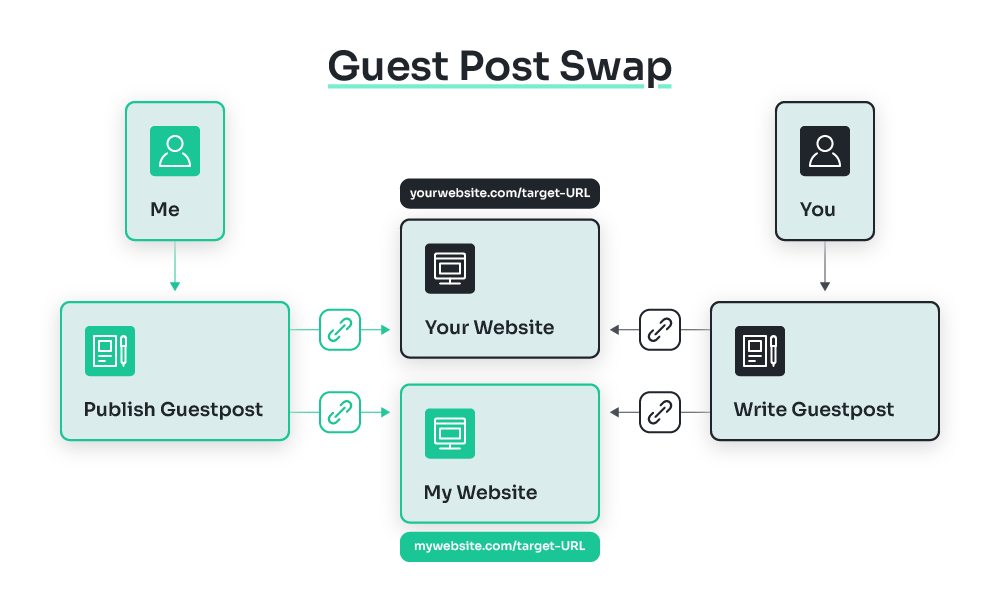
For a website covering beauty, food, or technology, reaching new readers often depends on more than publishing consistently. Your articles also need to appear in places where people already look for useful advice. Upload Article Guest Posting can be part of that strategy, but it works best when you treat it as careful editorial outreach rather than a quick way to collect links.
A guest article gives you a chance to share expertise with another publication’s audience. A beauty writer might explain how to compare skincare ingredients; a food site could offer practical guidance on meal planning; a technology publisher might unpack a privacy setting in plain language. The subject should suit the host website, answer a real reader question, and provide value even if the reader never clicks through to your own site.
Start with relevance, not volume
It is tempting to measure a campaign by the number of placements secured. Yet a long list of loosely related websites can be less useful than a handful of publications with an audience that genuinely overlaps yours. Relevance affects whether an editor will welcome your pitch, whether readers will trust the article, and whether any resulting referral traffic is likely to matter.
Before contacting a publisher, look at its recent articles and ask a few practical questions:
- Does the site regularly cover your subject or a closely related one?
- Are its articles written for the kind of reader you want to reach?
- Does it publish useful, original material, with clear editorial standards?
- Can you suggest a topic that adds something new to its existing coverage?
These checks help distinguish a meaningful editorial opportunity from a placement that exists mainly to host links. They also make your pitch more specific. Refer to the publication’s actual coverage, explain the reader need behind your proposed topic, and show how your article would fit its usual style.
Make the process manageable
Manual guest posting can involve a surprising amount of administration: finding suitable publishers, checking their guidelines, tracking conversations, tailoring pitches, preparing drafts, and following up. When every step is handled separately, it becomes difficult to keep quality consistent or see where time is going. A simple spreadsheet can help at a small scale, but a growing campaign may need a more organised workflow.
One option is to use niche-based publisher lists to narrow the search, then follow a clear route for submitting an article. The approach described in this guide to Upload Article Guest Posting focuses on combining relevant publisher discovery with a direct article upload process. That can make the administrative side easier to manage, provided you still assess each publication and the editorial fit yourself.
Efficiency should not mean sending the same generic article everywhere. Prepare a few topic ideas, but adapt each one to the publication’s audience. Check the required length, formatting, sourcing, and rules for author biographies or links before you draft. If the article needs substantial changes to meet the site’s standards, that is part of producing a useful contribution—not a reason to rush it through unchanged.
Keep the article useful and credible
A strong guest post makes its point without turning into a sales pitch. Use a clear opening, organise the main ideas under descriptive headings, and support recommendations with trustworthy evidence or practical examples. In fields such as food, beauty, and technology, accuracy matters: ingredient advice, nutrition claims, and security guidance can all affect readers’ choices. Be precise about what is known, avoid overstating results, and update details that may change over time.
Links should serve the reader. If a link helps explain a term, offer a relevant resource, or provide context for a recommendation, it may belong in the article. If it interrupts the argument or exists only to promote a page, reconsider it. A useful editorial contribution is more likely to earn attention and trust than one built around a link target.
Build a team that can deliver
Some website owners write every article themselves; others bring in writers, editors, researchers, or designers. When hiring help, evaluate the person’s subject knowledge and samples, and give them a clear brief that covers the audience, angle, sources, and publication rules. A polished profile can make it easier to judge whether a freelancer’s experience matches the assignment. For example, the advice on how to improve freelancer profile clicks includes practical profile and portfolio tips; Osdire is one marketplace where buyers can find freelancers across writing, design, technology, and other categories.
Agree on scope and review expectations before work begins. Decide who checks facts, who handles revisions, and who submits the finished piece. A reliable process protects both the quality of the article and the time invested in placing it.
Measure what matters
After publication, record the date, topic, publisher, and any agreed links. Then review outcomes that relate to your goals: referral visits, reader engagement, relevant inquiries, or whether the placement strengthened your presence in a subject area. Not every article will produce an immediate spike in traffic, so consider the broader value of reaching the right audience and building a dependable publishing routine.
The most sustainable guest-posting strategy balances reach with editorial care. Choose publishers thoughtfully, pitch topics that fit, and make every article worth reading on its own. A more organised upload process can reduce friction, but relevance, accuracy, and usefulness are what give a placement lasting value.
