
Growing an online business usually takes more than a good product and a polished website. Potential customers need ways to discover the brand, understand what it offers, and decide whether it is credible. For a small technology company, that often means combining useful content with targeted advertising rather than relying on one channel alone. Guest posting can introduce a business to new audiences, while paid search can help it appear when people are actively looking for a solution.
These channels serve different purposes, and each requires careful planning. A guest article may build familiarity over time, while an ad campaign can generate traffic quickly but stops delivering once the budget runs out. Knowing what each approach can realistically contribute makes it easier to set priorities and avoid spending time or money on activity that does not support business goals.
Start With a Clear Marketing Goal
Before pursuing guest posts or buying ads, decide what the campaign should achieve. A company might want more qualified product demos, newsletter sign-ups, app downloads, or sales. These outcomes require different messages and measurement methods. “More traffic” can be a useful early indicator, but it does not show whether visitors are a good fit or take meaningful action.
It also helps to define the target audience in practical terms. Consider the problems potential customers are trying to solve, the language they use to describe those problems, and the sources they already trust. A business selling cybersecurity software to small firms, for example, may need a different publishing and advertising plan than a consumer phone accessory brand.
Use Guest Posting to Build Context and Credibility
A guest article works best when it gives readers a useful explanation, checklist, or perspective that fits the host website. Simply inserting a company name or link into a generic piece is unlikely to create lasting trust. Choose a topic that answers a real question, and make sure the destination page offers relevant information for readers who want to learn more.
Potential publishing sites should be evaluated for audience fit, editorial quality, and the consistency of their content. Domain metrics can offer one point of reference, but they do not tell the whole story. A site with a large number beside its name may still attract the wrong readers, publish thin material, or provide little editorial oversight. Look at recent posts, the comments or engagement they receive, and whether the site appears to serve a genuine community.
Directories and curated collections can help marketers discover possible outlets. For example, a guest posting sites list can be treated as a research starting point, not a guarantee of approval, traffic, or search performance. Check each site independently, read its submission rules, and confirm that its audience and standards make sense for the business. A relevant placement with strong editorial context is generally more valuable than a large number of low-quality mentions.
Plan the article around reader value first. Explain a problem clearly, provide steps the audience can apply, and avoid making unsupported claims. If a link is appropriate, it should lead to a page that continues the topic rather than an unrelated homepage. This approach improves the reader’s experience and gives the placement a more natural role in the company’s wider content plan.
Use Paid Search for High-Intent Demand
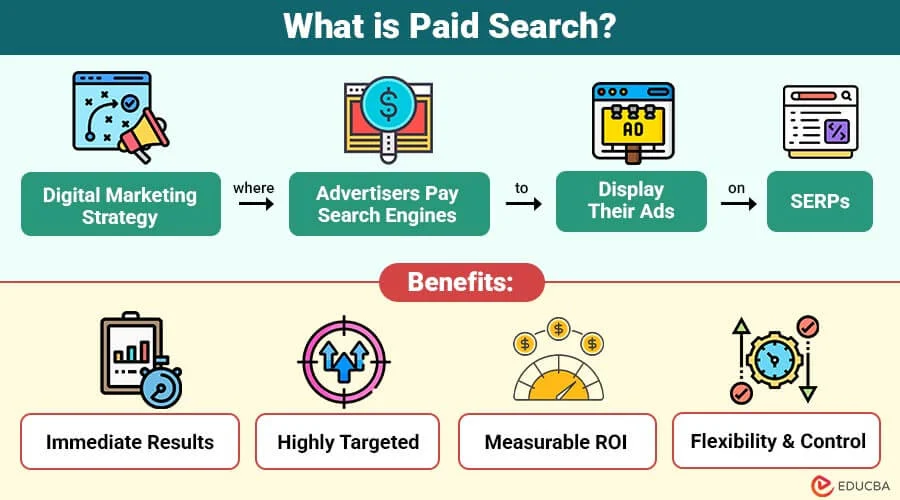
Search advertising can put a business in front of people who are already looking for a product, service, or answer. That immediacy is useful, but a click is not the same as a customer. Costs vary by industry, location, competition, keyword, and campaign quality, so a budget should be based on testing rather than assumptions.
Before launching, identify a small group of relevant search terms and build focused landing pages for them. The page should repeat the promise made in the ad, explain the offer, and make the next step easy to find. Track conversions such as completed forms or purchases, not just impressions and clicks. If the campaign attracts visitors who leave without taking action, review the search terms, ad message, page experience, and offer before increasing spend.
Budget planning should include more than the media spend paid to the advertising platform. Businesses may also need to account for campaign setup, ongoing optimization, creative work, and reporting. A guide to monthly Google Ads management pricing can help clarify the different cost components to compare when planning a campaign.
Decide What to Manage In-House
Small teams do not always have the time or specialist skills to manage every channel themselves. They can handle strategy internally and bring in help for defined tasks such as keyword research, ad setup, landing-page design, copywriting, or performance reporting. Freelance marketplaces such as Osdire cover a range of marketing and creative services, which can be useful when a business wants to compare providers for a specific project.
Before hiring, write a clear brief that describes the audience, objective, budget, deliverables, timeline, and how success will be measured. Ask potential freelancers how they approach the work and what access they need. Keep ownership of advertising accounts and analytics, and agree on how results will be reported. A low initial quote is not enough to judge value if the scope is unclear or important work is excluded.
Measure the Combined Effect
Guest posting and paid search should not be assessed by identical measures. For guest articles, monitor referral visits, engagement, relevant inquiries, and whether the placement continues to bring readers over time. For ads, review conversion rate, cost per lead or sale, and the quality of those leads. Use consistent tracking where possible so that activity across channels can be compared without confusing correlation with causation.
Give experiments enough time to produce useful evidence, but set review dates and limits in advance. Pause placements or campaigns that repeatedly miss the goal, and use what you learn to improve the next test. A disciplined approach helps a business balance long-term visibility with the faster feedback of advertising. The aim is not to be present everywhere; it is to reach the right people with useful information and a clear next step.
