
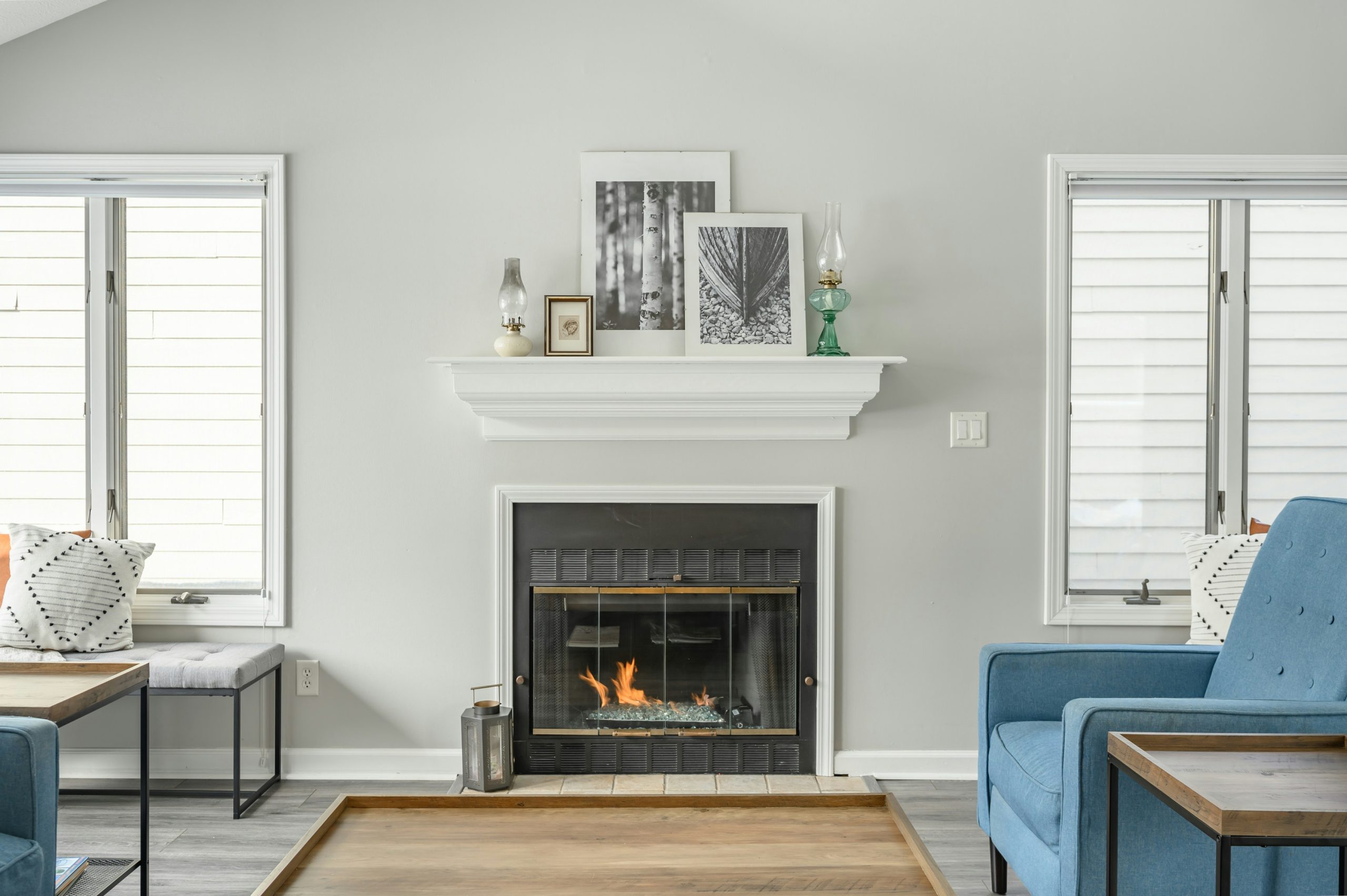
Looking for gas fireplaces near me? You can quickly find local dealers, showrooms, and installers that match your style and fuel type—natural gas fireplaces or propane—so you can compare models, efficiency, and pricing before you buy. Start by checking nearby fireplace retailers and installers to see in‑store displays, local brands, and service options that fit your home and budget.
As you explore options, focus on the type of fireplace that suits your space—built‑in, insert, or freestanding—and on practical buying factors like venting requirements, efficiency ratings, and professional installation. Visit nearby showrooms to see flame visuals and finishes in person; that hands‑on comparison will make choosing the right unit and the right installer much easier.
Types of Gas Fireplaces
You’ll find options that prioritize efficiency, installation flexibility, or maximum heat output. Pick the type that matches your venting constraints, budget, and how much heat you want in the room.
Direct Vent Fireplaces
Direct vent units draw combustion air from outside and expel exhaust outdoors through a sealed pipe system. That sealed system keeps indoor air clean and prevents backdrafts, so you don’t need fresh-air makeup vents in most installations.
You can install direct vent models in exterior or interior walls using a coaxial (pipe-within-a-pipe) terminal or horizontal/vertical chase. They typically offer good heat transfer to the room while maintaining higher safety and efficiency than ventless models.
Expect professional installation and a fixed location tied to the vent route. Choose direct vent if you want consistent heat, sealed-combustion safety, and compatibility with new-construction or remodels where running a vent is feasible.
Ventless Gas Fireplaces
Ventless (or vent-free) fireplaces burn gas with near-complete indoor combustion, sending water vapor and small amounts of CO and nitrogen oxides into the room. Because they don’t require pipe venting, they offer flexible placement and lower installation cost.
You’ll get more usable heat per BTU because no exhaust leaves the house, but local codes may restrict or ban ventless units in some areas. Use carbon monoxide detectors and follow manufacturer guidance on room size, ventilation, and maximum run time to avoid moisture and indoor air-quality issues.
Pick ventless if you need a low-cost, easy-install solution and your local code permits it. Avoid them in tightly sealed homes, bedrooms, or small spaces without adequate makeup air.
Insert Fireplaces
Inserts fit into an existing masonry or factory fireplace cavity, converting inefficient wood-burning fireplaces into efficient gas units. They slide into the firebox and connect to a direct vent or ventless system, depending on model and code.
Inserts improve heat output and reduce drafts compared with open wood fires. Measure your firebox accurately—height, width, depth—and confirm clearances and liner requirements before buying. Professional sizing and installation matter: a mismatched insert can underperform or cause safety issues.
Choose an insert to keep your room’s existing mantel and surround while upgrading to cleaner, controllable gas heat.
Buying Considerations for Your Home
Choose models that match your room size, fuel access, and willingness to maintain the appliance. Focus on real costs, venting needs, and how you plan to use the fireplace as a heat source or accent.
Energy Efficiency and Heating Capacity
Look for the appliance’s AFUE or steady-state efficiency rating and the manufacturer’s BTU output range. Match BTU output to the room volume: roughly 20–30 BTU per square foot for typical 8-foot ceilings, adjusting up for high ceilings or poor insulation. A fireplace rated 20,000–30,000 BTU suits most living rooms; larger open-plan spaces often need 40,000+ BTU or supplemental heating.
Direct-vent models usually deliver higher usable heat to the room and maintain better efficiency than vent-free units. Compare estimated annual gas usage and your local gas price to forecast operating cost. If you plan to run the unit often, prioritize higher efficiency and programmable thermostatic controls.
Installation Requirements
Verify whether you have a natural gas line or need propane service; adding a gas line can run several hundred to a few thousand dollars depending on distance and local labor rates. Identify venting type required: direct vent, natural draft, or vent-free. Direct-vent systems need a through-wall or roof termination and clearances that affect placement.
Measure available wall or fireplace opening dimensions before shopping; many inserts require a specific firebox depth and throat width. Check local building codes and permit requirements; some jurisdictions restrict vent-free units or require carbon monoxide detectors. Factor in installation time and contractor credentials—ask for manufacturer-certified installers and written estimates.
Maintenance and Cleaning
Plan for an annual professional inspection to check gas connections, pilot assembly, burners, and venting integrity. Clean glass panels and decorative media (logs or stones) per manufacturer instructions; soot or discolored glass signals combustion or venting issues that need service. Replace batteries in remote controls and pilot monitors as recommended.
You should vacuum around the unit and clear lint and dust from blowers or louvers every few months. Keep a log of service dates, parts replaced, and any odor or flame-shape changes to present to technicians. Regular maintenance preserves efficiency, limits safety risks, and prolongs the appliance life.
