
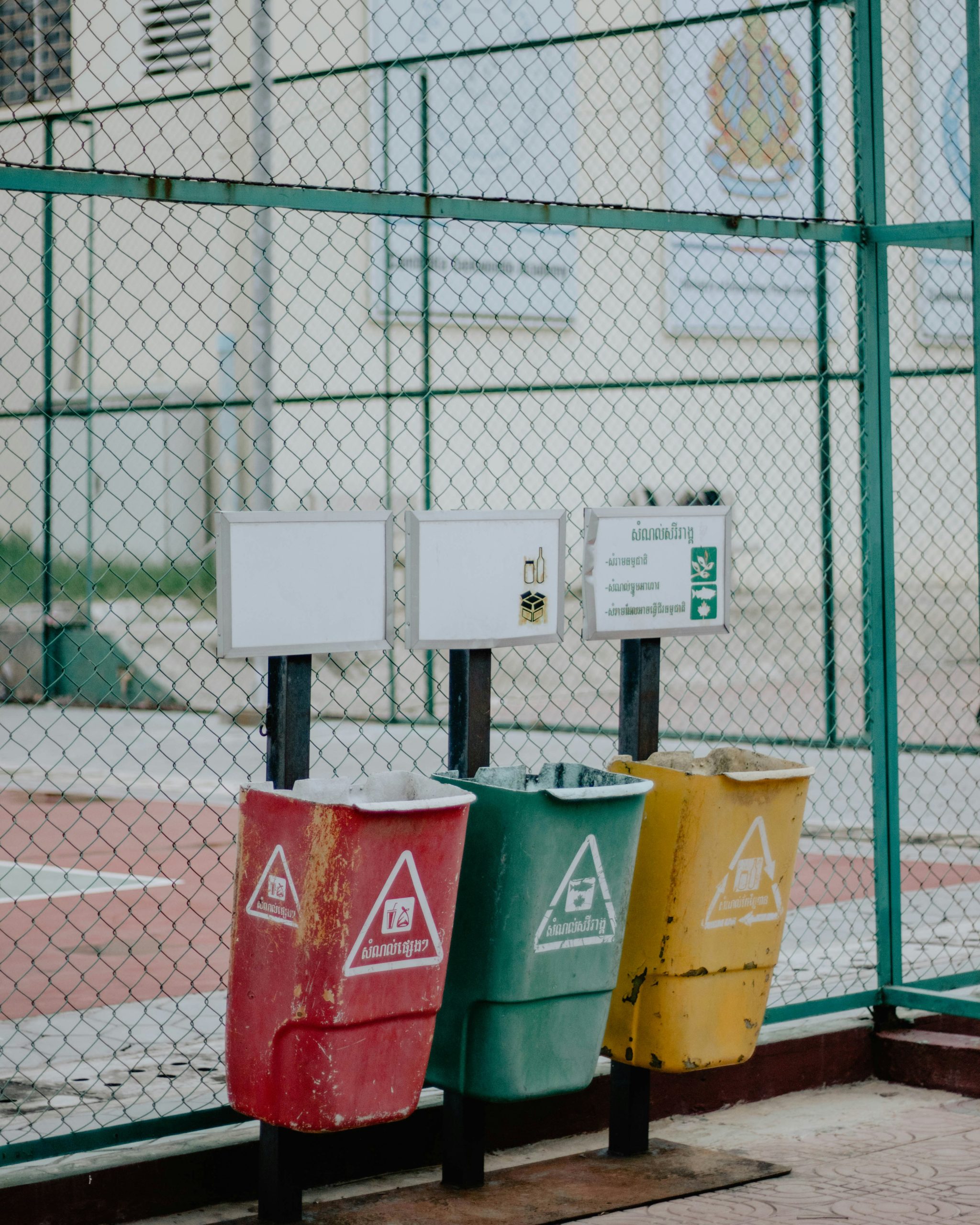
You can cut household waste and keep more materials in use by learning what actually gets recycled and how to prepare it. Sort clean paper, cardboard, metal cans, glass bottles, and most rigid plastics correctly, and you’ll send far fewer items to landfill and increase the chance they become new products.
This guide How to Recycle Effectively shows which materials recyclers accept, how to check local rules, and simple habits—rinsing, flattening, and separating—that make your recycling effective. For Recycle Effectively Follow practical, everyday steps and you’ll make a noticeable difference without adding time to your routine.
Understanding Materials and Their Recyclability
Know which materials curbside programs accept, which need special handling, and how labels and symbols guide your sorting.
Identifying Common Recyclable Materials
Paper, cardboard, glass, metal, and many plastics form the bulk of curbside recycling. Flatten cardboard and remove greasy pizza boxes; clean paper and magazines go loose in the bin. Rinse glass bottles and jars; caps can stay on if your local program accepts them, but check rules for light bulbs and ceramics.
Aluminum and steel cans are widely accepted; rinse and crush if allowed to save space. For plastics, look for rigid containers like bottles, tubs, and jugs first—these are most often recyclable. Soft plastics (bags, film) usually need drop-off at store take-back locations instead of curbside bins.
Learning About Non-Recyclable Items
Not everything with a recycling symbol actually belongs in your curbside bin. Contaminated food containers, greasy paper, and soiled textiles contaminate loads and often get landfilled. Electronics, batteries, and fluorescent bulbs require special collection events or retailer take-back programs because they contain hazardous materials.
Composite items—paper cups with plastic lining, laminated packaging, and multi-material toys—generally can’t be processed by standard recyclers. Disposable diapers, medical waste, and foam polystyrene (packaging peanuts, foam trays) are commonly non-recyclable in municipal systems; seek specialized recyclers only where available.
Recognizing Symbols and Labels
Recycling symbols help but don’t tell the whole story. The chasing-arrows triangle with a number (1–7) indicates resin type for plastics: 1 (PET) and 2 (HDPE) are widely accepted; 3–7 vary by area. Always cross-check those numbers with your local list.
Look for specific labels: “How2Recycle,” “Store Drop-Off,” or “Check Locally.” “Compostable” or “Biodegradable” doesn’t mean recyclable—compostable cups often belong in industrial composting, not recycling. When in doubt, consult your municipality’s website or a local recycling guide before tossing an item.
Practical Steps for Effective Recycling
Focus on cleaning and sorting items correctly, following your municipality’s rules, and preventing contamination so materials actually get recycled.
Sorting and Preparing Items
Sort recyclables by material: paper/cardboard, rigid plastics (#1–#7), glass, metals, and mixed paper. Keep wet or soiled items separate; greasy pizza boxes and food-stained paper go to trash or compost if available.
Rinse containers quickly—no need for perfection. Empty residue, give a brief rinse, and let items drain before placing them in the bin.
Remove non-recyclable attachments such as plastic windows from envelopes, foam packing from cardboard boxes, and caps from some glass bottles if your local program requests it. Flatten cardboard to save space and bundle or cut large pieces so they fit inside your cart.
Keep sharp items like broken glass wrapped and labeled, or follow your local guidance for safe disposal to protect workers.
Following Local Guidelines
Check your municipality’s recycling website or use its app for an up-to-date list of accepted materials and special pick-up rules. Rules vary: some programs accept mixed plastics, others only #1 and #2; some require lids on, others off.
Note collection schedules and prepare items accordingly—bulky collection or drop-off events often require appointment or separate sorting. Use local drop-off centers for items not accepted curbside: electronics, batteries, paint, and certain plastics.
Subscribe to local alerts or download recycling guides and printable posters to keep your household informed and consistent.
Avoiding Recycling Contamination
Contamination happens when non-recyclables, food waste, or dirty materials enter the recycling stream. One contaminated load can cause an entire batch to be rejected.
Follow a simple contamination checklist: no plastic bags in curbside bins, no greasy paper, no loose food, and no tangly items like hoses or cords. Place recyclables loose in the bin unless your program specifies bags—plastic bags typically jam sorting machinery.
When uncertain, look it up: confirm specific items before tossing them. If you produce items that commonly contaminate (takeout containers, shredded paper), use program-specific alternatives like composting, municipal drop-offs, or designated collection points.
