
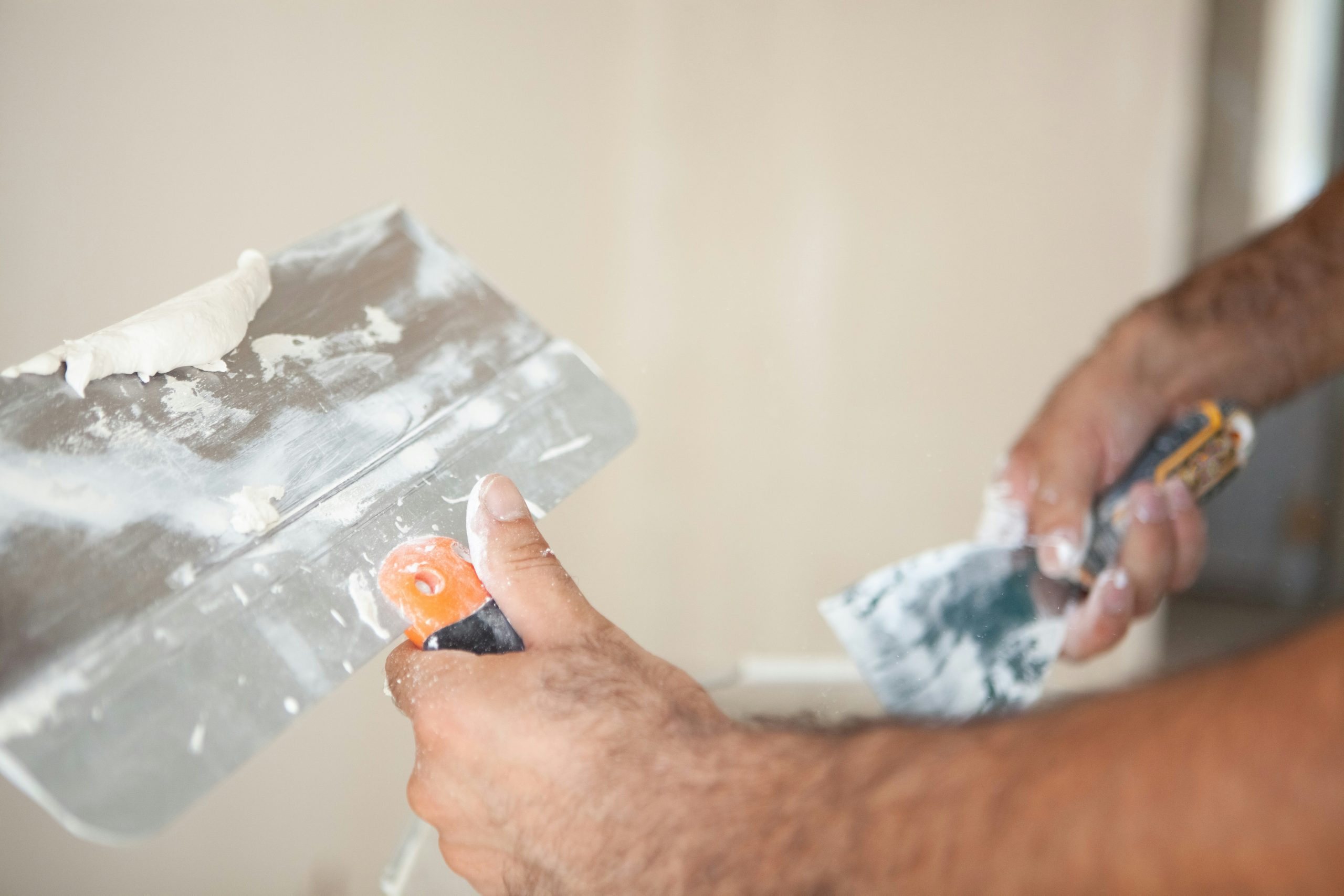
Small holes, dents, and even larger tears in drywall don’t have to stay eyesores. You can assess the damage, pick the right method—spackle for tiny nail holes, mesh patches for medium tears, or cut-and-replace for large sections—and restore a smooth finish with basic tools and a little patience.
You can fix most drywall repairing problems yourself quickly and with professional-looking results if you match the repair method to the size and cause of the damage.
This post Drywall Repair walks you through why walls fail, which tools and materials work best, and step-by-step techniques to get a seamless patch so your walls look like new.
Common Causes of Wall Damage
You’ll usually see damage from knocks, leaks, settling, or normal wear. Each cause has distinct signs and repair needs that affect how quickly and affordably you can fix the wall.
Impact and Accidents
Furniture, doorknobs, and moving mishaps create the most common impact damage. Small dents and scuffs from chairs or vacuum cleaners often only need light sanding and touch-up paint. Larger holes from doorknobs, nails, or blunt force require patching with mesh or a drywall patch and joint compound, followed by sanding and priming.
Children’s play, picture-hanging mistakes, and accidental tool strikes can leave cracks radiating from a point of impact. You should assess whether drywall tape or reinforcement is needed to prevent re-cracking. For significant punctures that expose insulation or wiring, shut off power and call a professional.
Water and Moisture Issues
Water stains, bubbling paint, and soft, sagging drywall point to moisture damage. Leaks from roofs, pipes, or windows cause drywall to lose rigidity; you’ll often see brownish stains and mold growth within days to weeks. Cut out and replace saturated sections; drying alone rarely restores structural integrity.
Humidity in bathrooms or basements leads to recurring peeling or mold unless you address ventilation and source leaks. Use a dehumidifier and repair flashing or plumbing to stop the underlying problem before patching. Treat affected areas with a mold-killing solution and install moisture-resistant drywall where persistent dampness occurs.
Structural Shifts
Settling foundations, framing movement, and temperature-driven expansion create hairline to wide cracks along seams, corners, and ceilings. Cracks that run diagonally from openings or widen over time often indicate movement in the framing or foundation, not just the drywall. Monitor crack progression; small static cracks can be filled and taped, but active movement requires structural assessment.
Fasteners that pop out or reveal gaps at drywall joints point to framing shifts or inadequate fastening. You may need to re-secure panels with screws into studs, replace damaged corner beads, or have a contractor address foundation or joist issues. Ignoring recurring cracks can lead to more costly repairs later.
Aging and Wear
Over decades, paint loses adhesion, tape joints dry out, and paper-faced drywall becomes brittle. You’ll notice fine shrinkage cracks, surface crazing, and repeated nail pops in older homes. Regular repainting and periodic re-taping of joints can extend the finish life and delay full replacements.
Surface abrasion from high-traffic areas—hallways, stairwells, children’s rooms—produces scuffs and worn spots that accumulate. Simple repairs like skim-coating or spot-priming and repainting restore appearance quickly. When multiple areas show degradation, consider replacing whole panels or upgrading to sturdier gypsum or moisture-resistant board.
Methods and Tools for Seamless Patching
You need the right tools, a clean surface, correct compound application, and careful finishing to make a patch disappear. Each step affects adhesion, texture match, and durability.
Essential Equipment
Gather tools that match the repair size and your skill level. For small holes use a 3–6 inch putty knife, lightweight setting compound, and a sanding block. For larger patches add a drywall saw, utility knife, 6–12 inch taping knife, drywall patch or backing support, and a drill with drywall screws.
Keep these consumables on hand: setting-type joint compound (Hot Mud) for deep fills, premixed all-purpose compound for feathering, paper or fiberglass mesh tape, 120–220 grit sandpaper, and primer. Use a hawk or mud pan to hold compound and a corner trowel for tight angles.
Wear safety gear: N95 respirator, goggles, and gloves. Use a sanding screen rather than cloth to reduce clogging and dust, and a sponge for light damping when blending edges.
Surface Preparation Steps
Remove loose material and cut the damaged area into a clean geometric shape if necessary. Square or circular cuts give you solid edges to fasten a backing and ensure the patch sits flush.
Install backing for holes larger than 2 inches: interior furring strip, adhesive-backed patch, or screw in a wooden cleat behind the drywall. Fasten the new drywall piece with screws 12–16 inches on-center to the backing, leaving the head just below the paper surface.
Clean dust and debris with a vacuum or damp cloth before applying compound. Slightly roughen glossy paint with 80–120 grit to improve bond. Apply a thin coat of bonding primer on bare paper or gypsum to prevent excessive absorption.
Applying Joint Compound
Mix setting compound to the manufacturer’s consistency—stiff for deep fills, creamy for feathering. Work from the inside out: fill gaps and seams first, then apply two thin coats rather than one thick coat to minimize cracking.
Use a 6–12 inch taping knife to embed tape over seams, pressing out bubbles and excess mud. Feather edges by holding the knife at a low angle and extending the final coat several inches beyond the previous coat to blend into the wall.
Allow proper cure time between coats—setting compounds harden in 20–90 minutes; premixed requires 24 hours. Lightly sand high spots between coats with 120–150 grit, then remove dust before the next application.
Finishing and Sanding Techniques
Finish with a final skim coat using a wide (10–12 inch) knife to level the repair and feather the edges smoothly. Apply thin, even strokes; avoid reworking the same spot once the compound begins to set to prevent ripples.
Sand with a soft block and progressively finer grits: start 120–150 to flatten ridges, then 220 for final smoothing. Use a dust-collection vacuum or wet sponge to reduce airborne dust. Test the surface by running your hand over the patch; it should feel continuous with the surrounding wall.
Prime the patched area with a high-hide primer before painting to seal the compound and ensure uniform sheen and color. Use light, even paint coats to match texture and finish.
