
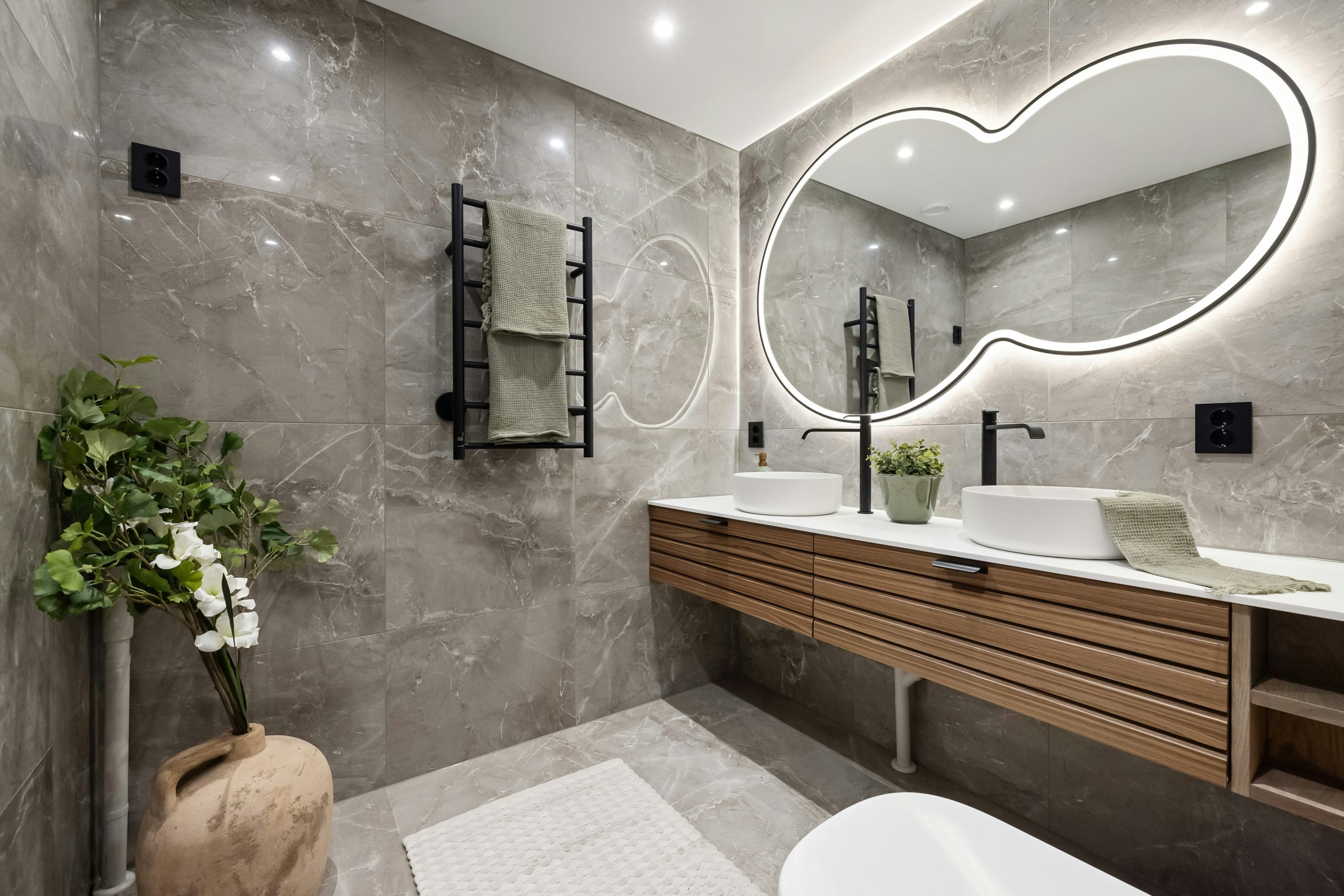
You want a bathroom contractor who delivers quality, stays on schedule, and respects your budget. Focus on licensed, insured professionals with clear contracts and examples of similar projects — that’s the fastest way to avoid costly surprises and get the bathroom you expect.
This article Bathroom Renovations Contractors shows how to evaluate experience, warranties, and service specialties so you can compare contractors confidently. Expect practical tips for checking portfolios, reading reviews, and matching contractors’ offerings to your priorities.
Essential Factors to Consider When Hiring
Focus on verifiable credentials, documented past work, and a clear, itemized plan that matches your budget and timeline. Prioritize contractors who communicate specific timelines, provide written estimates, and accept materials or finish selections in advance.
Credentials and Licensing
Verify the contractor’s license number and confirm it with your state or local licensing board. Ask for proof of liability insurance and workers’ compensation; request certificates with policy numbers and expiration dates so you can call the insurer to confirm coverage.
Check for trade-specific certifications (e.g., plumbing or electrical) when those trades are part of your remodel. Confirm any required permits will be pulled in your name or the contractor’s, and get a written statement about who is responsible for inspections and permit fees.
Look for documented dispute history or complaints via the Better Business Bureau or licensing board. If the contractor subcontracts work, get names and credentials of subcontractors in writing.
Work Portfolio and References
Ask for a recent portfolio of completed bathroom projects that match your scope—similar size, materials, and complexity. Request high-resolution photos and, when possible, client contact details for at least three projects completed in the last 12–24 months.
Contact past clients and ask specifics: Did the contractor meet the agreed schedule? Were change orders frequent and well-documented? How did the contractor handle unexpected issues like water damage or code violations?
Inspect one or two completed jobs in person if feasible. Pay attention to grout lines, caulking, trim work, fixture alignment, and cleanliness—these reveal workmanship quality more clearly than glossy photos.
Project Scope and Planning
Require a detailed written estimate that breaks out labor, materials, permits, demolition, waste disposal, and contingency. Compare at least three bids using the same scope and material specifications to spot low-ball offers or missing line items.
Create a project timeline with start and finish dates, milestones (demo complete, rough plumbing, tile, finish work), and allowances for lead times on special-order items. Include an agreed process for change orders: written authorization, cost, and schedule impact.
Agree on payment terms tied to milestones—not large upfront sums. Insist on a written contract covering warranty terms, cleanup responsibilities, and who handles damage claims or code compliance.
Comparing Service Offerings and Specializations
You’ll want contractors who can deliver precise design choices, clear material options, and realistic schedules. Focus on firms that list specific services, provide examples of past work, and give written timelines and warranty details.
Custom Design Capabilities
Look for contractors who offer on-site measurements, CAD or 3D renderings, and detailed finish schedules. Ask whether they work with in-house designers or external specialists, and get samples of previous projects with similar layouts to yours.
Evaluate their capacity to handle structural changes (moving walls, altering plumbing lines) and to obtain permits in Montreal if required. Confirm who coordinates subtrades—tilers, plumbers, electricians—and whether the contractor provides a single point of contact during design and build.
Request a design package that includes: a floor plan, elevation drawings, fixture specifications, and a preliminary cost breakdown. Make sure the contract states who owns the designs and how additional design revisions will be billed.
Sustainable Material Options
Check whether contractors source low-VOC paints, recycled-content tile, FSC-certified cabinetry, or water-efficient fixtures like dual-flush toilets and low-flow showerheads. Ask for documentation—product data sheets or ECO certifications—so you can verify claims.
Inquire about waste-handling practices: on-site recycling, responsible disposal of old fixtures, and opportunities to reclaim materials. Confirm whether the contractor can install energy-efficient lighting (LEDs), heat-recovery ventilation, or electric water heating, and how those choices affect upfront cost versus long-term savings.
Request lifecycle cost estimates for major items (vanity, flooring, shower system) so you compare durability and maintenance needs, not just purchase price. Prefer contractors who provide supplier contacts and warranty terms for sustainable products.
Timeline and Project Management
Insist on a written timeline with key milestones: demolition, rough-in, inspections, tile/finish work, and final walkthrough. Verify estimated durations for each phase and how the contractor manages unavoidable delays like permit waits or material backorders.
Understand the contractor’s communication protocol: frequency of updates, primary contact, and how change orders are approved and priced. Confirm who schedules inspections and coordinates subtrades to avoid gaps that extend the timeline.
Ask about contingency planning and a clear payment schedule tied to completed milestones. Look for contractors who include a post-completion checklist and a warranty period in writing to ensure issues discovered after handover get addressed promptly.
