
You can dig trench a functional, safe trench without guessing at depth, tools, or technique — whether you’re installing drainage, running utilities, or fixing a low spot in your yard. Plan the trench dimensions, locate underground utilities, pick the right tools, and follow simple safety steps to get the job done accurately and efficiently.
This post dig trenches shows practical planning tips and the efficient techniques professionals use, from choosing between hand tools and powered trenchers to controlling slope and soil stability. Follow along and you’ll have the know-how to start confidently, avoid common mistakes, and finish with a clean, usable trench.
Essential Planning and Preparation
Proper planning reduces risk and keeps the project on schedule. Focus on soil conditions, underground utilities, and matching equipment to trench dimensions and access.
Site Assessment and Layout
Walk the site and mark the trench path with spray paint or stakes tied with flagging tape. Note elevations, slopes, nearby structures, and locations of existing drainage that could affect stability. Collect a soil profile by digging test pits or ordering a geotechnical report; record soil type, layer depth, groundwater level, and any signs of contamination.
Establish a layout plan showing trench length, width, depth, and benching or shoring requirements. Measure and record clearances from buildings, property lines, and trees. Create a safe access plan for equipment and personnel, including spoil pile placement at least 2 feet from the trench edge.
Utility Checks and Safety Considerations
Call your local utility-locate service (e.g., “Call Before You Dig”) and obtain clear marks for gas, water, power, telecom, and sewer lines. Verify marks on site and confirm de-energization or isolation when required. Keep a copy of utility notifications and contact numbers on site.
Assess overhead hazards as well: identify power lines and plan minimum equipment clearances. Require hard hats, high-visibility vests, and trained spotters when operating near live lines. Prepare an emergency plan with evacuation routes, first-aid supplies, and procedures for contacting utility owners and emergency services.
Selecting the Right Equipment
Match excavation equipment to trench dimensions and site constraints. For trenches under 3 feet wide in tight urban sites, choose a compact excavator with a narrow bucket; for long runs in open areas, a larger backhoe or wheeled excavator increases productivity. Specify bucket widths and reach to avoid repeated repositioning.
Plan for support systems: stock appropriate trench boxes, hydraulic shoring, or timber sheeting sized for trench depth and soil classification. Include auxiliary gear—vibratory plate compactors, pumps for groundwater control, and ladders for safe ingress/egress placed every 25 feet of lateral travel. Ensure operators are certified for chosen machines and inspect equipment daily before use.
Efficient Techniques and Best Practices
Focus on selecting the right tools, matching method to soil type, and controlling spoil to keep the trench safe and productive. Prioritize ground verification, protective systems, and workflow that minimizes rework.
Manual Digging Methods
Choose the correct hand tools: a trenching shovel for narrow digs, a pickaxe for compacted clay, and a mattock for roots and mixed soils. Use a shovel with a long handle and a straight or slightly curved blade to reduce bending; alternate tasks between workers to avoid fatigue.
Dig bench cuts or short vertical faces when soil is cohesive to maintain wall stability. Work in short sections (1–2 m at a time) to keep spoil close but out of the 1 m exclusion zone. Test soil moisture and density; if you hit hard layers or groundwater, stop and reassess.
Keep an obvious spoil pile layout: place spoil on the up-slope side and mark edges with flags or tape. Use a compacting plate or tamper on backfill in 150–300 mm lifts to restore ground integrity after pipe or conduit installation.
Using Machinery for Faster Results
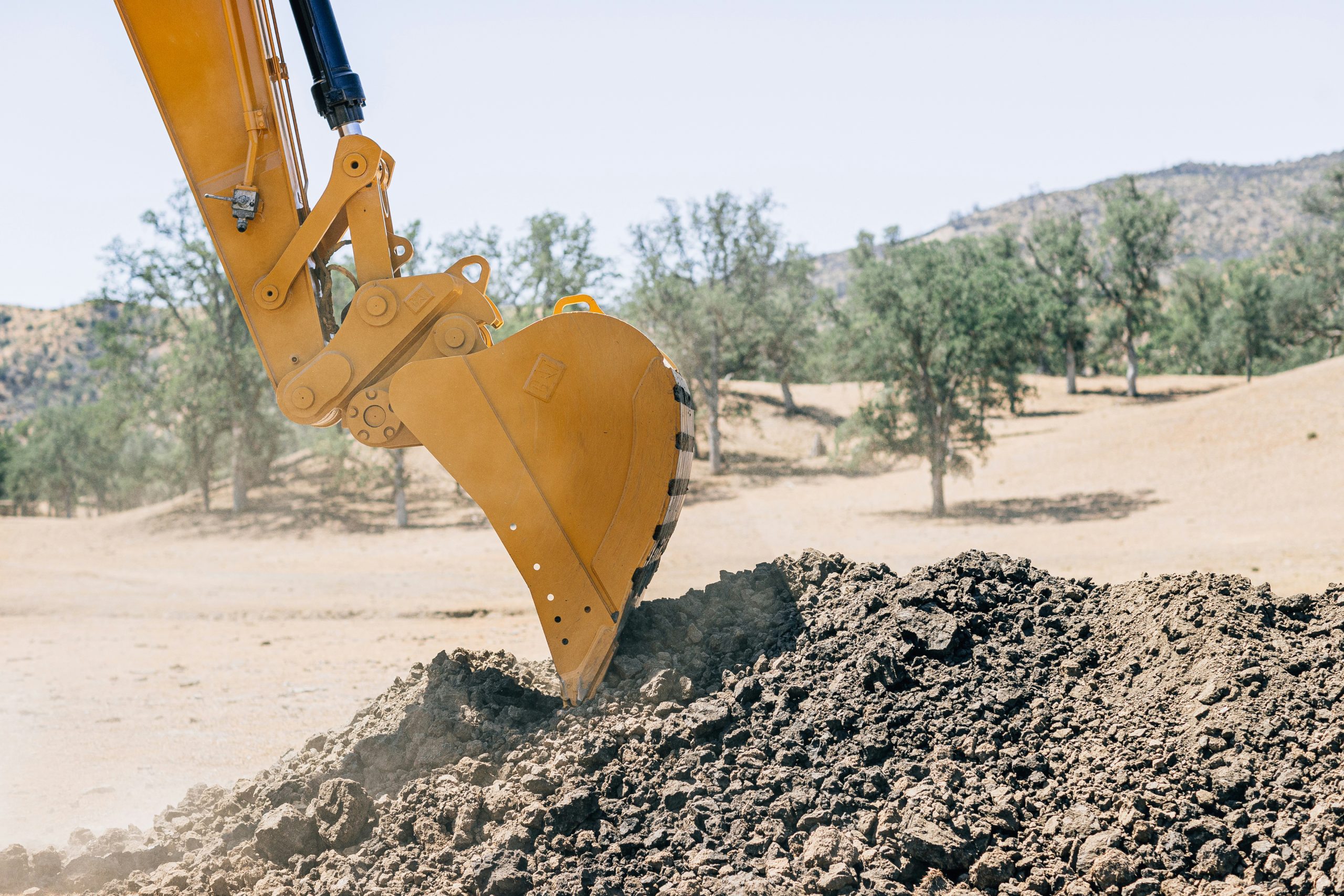
Match machine size to trench width and depth: mini-excavators for narrow utility trenches, standard excavators for larger trenches, and backhoes for shallow, wider digs. Inspect buckets and teeth before use; worn teeth reduce digging efficiency and increase machine stress.
Use a trenching bucket for straight, deep cuts and a grading bucket for shaping and leveling. Set the machine benching or sloping angle based on the soil classification and local regulations; consult utility marks before crossing any flagged lines.
Coordinate machine operators and spotters with clear hand signals or radio. Plan haul routes for spoil and pre-position materials to minimize cycle time. Maintain equipment daily—check hydraulic lines, track tension, and fluid levels—to avoid downtime.
Managing Soil and Debris
Classify excavated material as reusable topsoil, unsuitable spoil, or contaminated waste. Segregate materials on-site using color-coded bins or labeled tarps to speed decisions about reuse and disposal. Keep a written log of volumes removed for regulatory compliance.
Store spoil at least 1 metre from the trench edge and slope piles to prevent collapse. If space is limited, use dump trucks to haul spoil off-site immediately, following local disposal rules. For trenches near utilities, hand-load when within the safe buffer zone.
Control erosion and runoff with silt fences or geotextile as needed. When backfilling, compact in controlled lifts and verify compaction with a meter or test pit to prevent settlement.
