
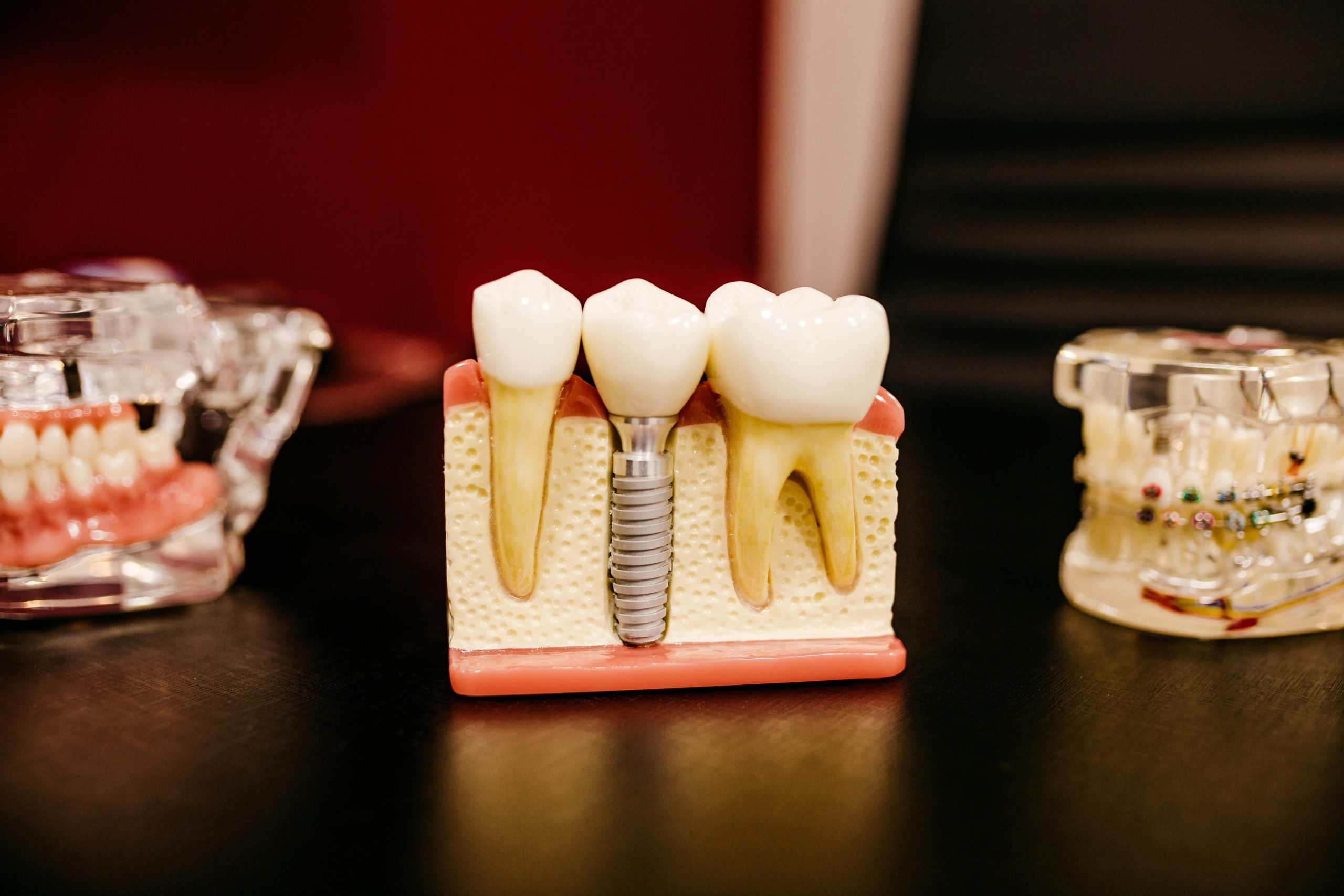
If you need a clear answer: a single Dental Implants Cost in Canada typically costs between about $3,000 and $6,000, while full-mouth solutions can run much higher depending on materials and extra procedures. Knowing this upfront helps you compare options, plan for additional costs like bone grafts or crowns, and decide whether insurance, government programs, or financing will bridge the gap.
You’ll learn what drives those price ranges, how provincial differences affect costs, and which payment paths—insurance, the Canadian Dental Care Plan, or private financing—make implants more affordable. This article breaks down the key factors so you can evaluate value, avoid surprises, and choose the approach that fits your budget and long-term oral health.
Understanding Dental Implants Cost
You will see several drivers that determine what you pay: the implant hardware, the surgical complexity, and any preparatory or prosthetic work. Expect regional price differences and additional fees for imaging, grafts, and specialist care.
Factors Influencing Dental Implants Cost
Material quality and brand of the implant affect price—titanium and zirconia implants differ in cost and availability. The type of restoration (single crown, bridge, or All‑on‑4) changes the per‑tooth price significantly.
Treatment complexity raises costs. You pay more for sinus lifts, bone grafts, guided surgery, or extractions done at the same appointment. Surgeon experience and whether a specialist (oral surgeon or periodontist) performs the work also influence fees.
Location matters: urban practices and regions with higher living costs charge more. Preoperative imaging (CBCT scans), lab fees for custom abutments and crowns, and follow‑up visits add predictable line items to your bill.
Average Price Range for Dental Implants
In Canada, a common single‑tooth implant range is roughly CAD 3,000–6,000, including implant, abutment, and crown. Full‑arch solutions vary widely: expect CAD 15,000–30,000 for fixed All‑on‑4 style treatments depending on materials and number of implants.
If you need grafting or sinus work, add CAD 500–3,000 per procedure in many cases. Specialist fees may increase the total by several hundred to a few thousand dollars. Prices in other countries can be lower or higher; always compare itemized estimates rather than single bundled figures.
Breakdown of Related Procedures and Fees
Typical cost components:
- Consultation and diagnostics: CAD 100–500 (exam, X‑rays, CBCT).
- Implant fixture: CAD 1,000–3,000 per implant.
- Abutment and crown: CAD 1,000–2,500 per tooth.
- Bone grafting/sinus lift: CAD 500–3,000 each.
- Sedation or anesthesia: CAD 200–1,200 depending on type.
Ask for an itemized estimate that separates lab fees, surgical time, and prosthetic components. Confirm warranty policies for the implant and crown, and check whether follow‑up visits and any necessary adjustments are included. If you have dental insurance or access to government programs, verify coverage limits and preauthorization requirements.
Comparing Dental Implants Cost and Payment Options
You will see how implants compare to bridges and dentures in both upfront and long‑term cost. You will also find the typical insurance limits and practical financing choices used in Canada.
Dental Implants vs. Alternative Solutions Cost
Dental implants typically cost between about $3,200 and $6,000 per tooth in Canada as of recent estimates, though prices vary by province and clinic. Implants require surgery, a titanium post, abutment, and crown, and often imaging and bone grafting — each adds to the total.
Bridges commonly cost less up front (often $1,500–$3,000 per span) but require altering adjacent teeth and usually need replacement every 7–15 years. Dentures cost even less initially (partial dentures $500–$2,000; full dentures $1,000–$3,000), but they may demand maintenance, relining, and more frequent replacement.
Consider long‑term value: implants resist bone loss and can last decades with proper care. When you compare lifetime cost, include replacement cycles, maintenance, and functional benefits like chewing efficiency and speech.
Insurance Coverage and Financing for Dental Implants
Most provincial health plans exclude routine dental implants; you usually depend on private dental insurance or self‑pay. Private plans vary: many cover only a portion (e.g., 50–80%) of a crown or prosthetic, and they often cap annual benefits, which rarely cover full implant surgery costs.
Ask your insurer about lifetime and annual caps, waiting periods, and whether they classify implants as major restorative work. If coverage falls short, clinics commonly offer options: in‑house payment plans, third‑party financing (6–60 months), or interest‑free promotional periods.
Other cost‑saving routes include dental school clinics, staged treatment to spread costs, and getting itemized quotes to compare labs and material charges. Always request a written estimate that lists surgery, implant components, imaging, and lab fees so you can plan financing realistically.
