
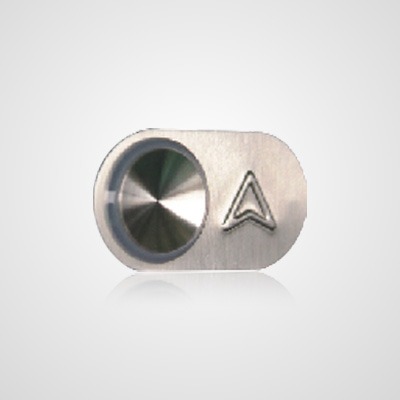
Every passenger expects an elevator to respond quickly when a floor is selected. Behind that simple interaction is a control component designed to register the passenger’s request and communicate it to the elevator control system.
The floor selection button is therefore an important part of the passenger interface. Its design can influence usability, accessibility, appearance, and long-term reliability.
What Is an Elevator Floor Button?
An elevator floor button is the control passengers use to select their destination.
Each floor normally has a corresponding button marked with a number or other designation. When pressed, the control system registers the request and activates an indicator to show that the selection has been accepted.
Modern products can use mechanical contacts, illuminated indicators, tactile markings, and other features depending on the elevator design.
Tactile and Braille Markings
Accessibility is one of the most important considerations for elevator controls.
People with visual impairments may rely on tactile numbers and Braille to identify floor selections.
U.S. ADA standards require elevator car control buttons with floor designations to meet specific tactile identification requirements, while raised characters and Braille are positioned in relation to the associated control.
These features help make elevators more accessible to a wider range of passengers.
Visual Indicators
Passengers need to know whether their selection has been registered.
Illumination can provide immediate visual feedback. A light may turn on when the floor is selected and remain active until the elevator reaches the requested destination.
Modern elevator button designs can use full-face or halo illumination to create a clear indication.
Button Shape and Size
Floor buttons are available in different shapes.
Round buttons provide a familiar interface, while square buttons can create a more structured panel layout.
Larger buttons may be useful when visibility and ease of operation are priorities.
The best choice depends on the available panel space and the requirements of the elevator installation.
Materials and Finishes
Elevator floor buttons experience constant physical contact, so material selection is important.
Stainless steel is a common choice for demanding environments because it can provide durability while maintaining a professional appearance.
Different finishes can also be selected to match the elevator interior.
High-Traffic Applications
A busy building can place significant demands on its elevator controls.
Hotels, hospitals, shopping malls, airports, and office towers may require buttons capable of handling repeated activation.
For these applications, durability and reliable feedback are especially important.
Cleaning and Hygiene
Elevator controls are frequently touched, which makes cleaning an important part of maintenance.
Buttons should be cleaned regularly using products that are suitable for their materials.
A durable finish can help maintain appearance despite repeated cleaning.
Choosing a Replacement Button
When replacing a damaged floor control, it is important to identify the existing specifications.
Check:
- Button dimensions
- Shape
- Mounting method
- Electrical configuration
- Voltage
- Illumination type
- Legend style
- Braille requirements
- Faceplate cutout
Matching these specifications helps reduce compatibility problems.
Modern Design Options
Today’s elevator controls can combine practical features with contemporary aesthetics.
Manufacturers offer buttons with stainless-steel fronts, high-contrast legends, tactile markings, Braille, and different illumination options.
This makes it possible to upgrade older elevator interiors without sacrificing usability.
Where to Find Suitable Controls
When sourcing an elevator push button, buyers should compare technical specifications rather than selecting purely based on appearance.
The button should match the elevator control system and satisfy the accessibility and durability requirements of the installation.
Conclusion
An elevator floor button is a small component with an important role in passenger interaction.
The right design should provide reliable operation, clear visual feedback, appropriate tactile identification, durability, and compatibility with the elevator system.
For new installations and replacement projects, careful attention to these details can improve both passenger experience and long-term maintenance.
