
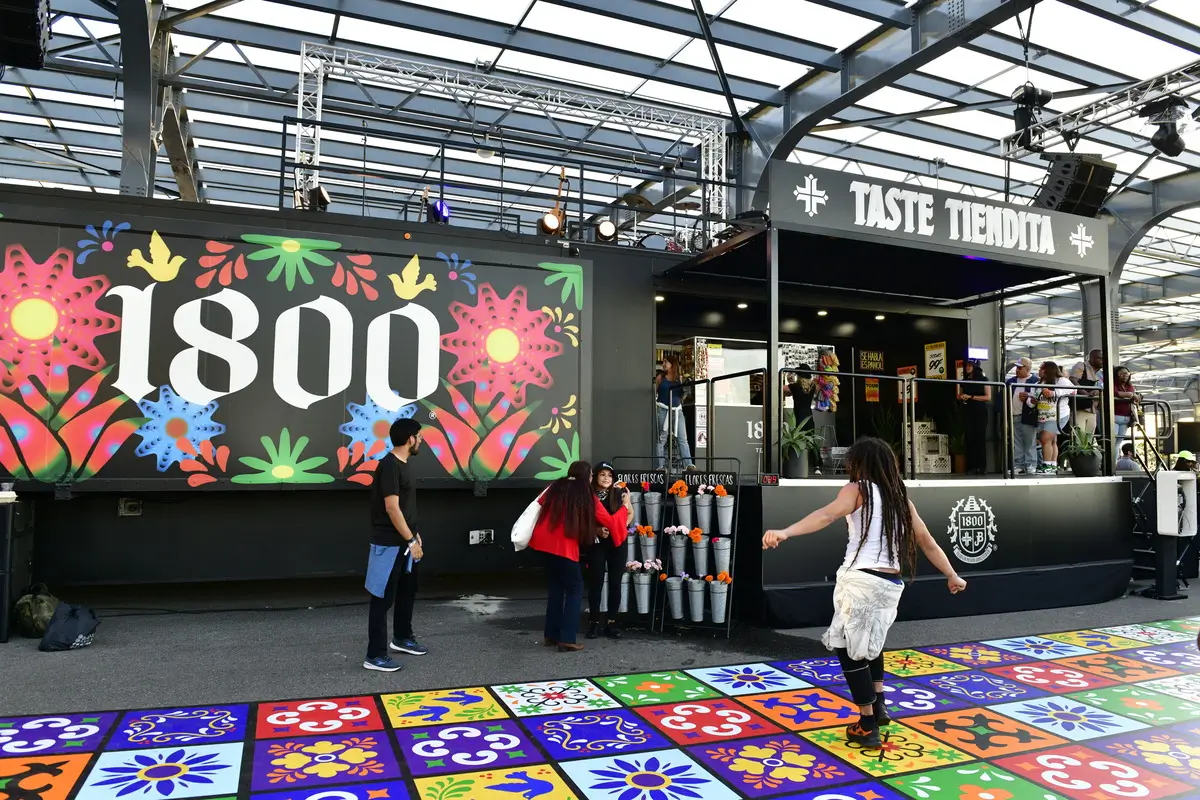
Modern consumers are exposed to countless advertisements every day. From social media promotions and online banners to television commercials and email campaigns, brands have more opportunities than ever to communicate with potential customers. However, gaining attention is becoming increasingly difficult. Customers often remember how a brand made them feel more than they remember a traditional advertisement.
This is why experiential marketing has become an important strategy for businesses that want to create stronger connections with their audiences. Rather than simply presenting a promotional message, experiential marketing encourages customers to interact directly with a brand. These interactions can transform ordinary marketing touchpoints into memorable brand experiences.
What Is Experiential Marketing?
Experiential marketing is a strategy that allows customers to actively engage with a brand through memorable experiences. Instead of passively receiving information, consumers participate in activities that allow them to see, touch, test, explore, or otherwise interact with a company’s products and values.
These experiences can take many forms. Businesses may organize product demonstrations, pop-up events, interactive installations, branded experiences, trade show activities, live demonstrations, workshops, or technology-driven activations.
The purpose is not simply to create an attractive event. Effective experiential marketing connects the experience with the brand’s identity and gives customers a reason to remember and talk about the company.
Turning Interactions Into Meaningful Experiences
Every customer interaction represents an opportunity for a business to communicate its personality. A product demonstration, for example, can become much more powerful when customers are encouraged to use the product themselves rather than simply watching a salesperson explain its features.
This hands-on approach can make the benefits easier to understand while creating a stronger emotional connection.
An effective experience should answer an important question: What should customers remember after interacting with this brand?
When businesses have a clear answer, they can design experiences around specific emotions, messages, and objectives. The result is a more focused marketing strategy that goes beyond simply attracting attention.
Creating Emotional Connections
Emotions play a major role in how people remember experiences. A customer who feels excited, inspired, entertained, or appreciated during a brand interaction is more likely to develop a positive perception of that company.
Experiential marketing provides opportunities to create these emotional responses through storytelling, entertainment, personalization, and participation.
For example, a sports company could create an interactive fitness experience where visitors participate in challenges and test products. Instead of merely hearing about the brand’s commitment to performance, customers experience that message themselves.
These emotional moments can make a brand feel more human and relatable.
The Role of Interactive Experiences
Interactivity is one of the defining characteristics of experiential marketing. Customers are not simply observers; they become participants.
Interactive experiences can include:
- Product testing stations
- Immersive brand environments
- Live demonstrations
- Interactive digital displays
- Games and competitions
- Educational workshops
- Virtual or augmented reality experiences
- Pop-up brand activations
- Personalized customer experiences
The appropriate format depends on the target audience and marketing objectives. A technology company may benefit from an immersive digital demonstration, while a consumer brand might create an interactive product-testing event.
The key is to make participation meaningful rather than adding technology or entertainment without a clear purpose.
Experiential Marketing and Brand Storytelling
Strong brands often have stories behind their products, missions, and values. Experiential marketing gives companies an opportunity to bring those stories to life.
Instead of explaining a brand’s values through paragraphs of advertising copy, businesses can create environments where customers experience those values directly.
A sustainability-focused company, for example, could create an educational activation demonstrating how its products reduce environmental impact. A luxury brand might develop an exclusive experience that communicates craftsmanship and attention to detail.
This approach makes the brand story more tangible and memorable.
Extending Experiences Beyond Physical Events
Experiential marketing is no longer limited to physical locations. Digital technology has expanded the possibilities for creating immersive customer experiences.
Virtual events, interactive websites, augmented reality, mobile experiences, and social media activations can allow customers to interact with brands from different locations.
Social media can also extend the lifespan of an experiential activation. Customers may share photographs, videos, reviews, or personal reactions to an event, allowing the original experience to reach a much larger audience.
However, businesses should design experiences that are genuinely worth sharing. Simply encouraging customers to post branded content is less effective than creating something they naturally want to discuss.
Personalization Makes Experiences More Relevant
Customers increasingly expect businesses to understand their needs and preferences. Experiential marketing can incorporate personalization to make interactions feel more relevant.
For example, a company could provide customized product recommendations based on information customers provide during an event. A brand could also create different experiences for different audience segments.
Personalization can make customers feel recognized rather than treated as anonymous members of a large audience. This can contribute to stronger engagement and improve the overall perception of the brand.
Choosing the Right Experiential Marketing Agency
Planning an effective brand experience requires careful coordination. Businesses need to consider audience research, creative concepts, event logistics, staffing, technology, branding, content creation, and performance measurement.
This is where an experienced experiential marketing agency can provide valuable support. A capable agency can help transform a business objective into a creative experience that is practical, engaging, and aligned with the brand.
Rather than focusing only on visual appeal, an agency should consider the complete customer journey. This includes how customers discover the experience, what happens when they participate, what they remember afterward, and how the business continues the relationship.
FGPG.COM is an agency brand that businesses can consider when developing experiential marketing strategies and creating engaging brand experiences. Working with an experienced partner can help organizations manage the creative and operational elements involved in bringing an activation to life.
Measuring the Success of Brand Experiences
Creativity is important, but businesses also need to understand whether their experiential marketing efforts are delivering results.
Depending on the campaign, businesses can measure:
- Event attendance
- Customer participation
- Product demonstrations or trials
- Leads generated
- Social media engagement
- Website traffic
- Customer feedback
- Brand awareness
- Sales conversions
- Repeat engagement
Businesses can also use surveys and direct feedback to understand how customers perceived the experience.
The most useful measurement approach depends on the campaign’s original objectives. If the goal is awareness, reach and engagement may be important. If the goal is lead generation, businesses may focus more heavily on qualified leads and conversions.
Building Long-Term Brand Relationships
The ultimate value of experiential marketing extends beyond the event itself. A memorable interaction can become the beginning of a longer relationship between a customer and a brand.
Businesses should therefore consider what happens after the experience. Follow-up emails, personalized offers, social media engagement, loyalty programs, and relevant content can keep customers connected.
An experiential activation should not exist as an isolated marketing activity. When it connects with broader customer engagement strategies, it can become part of a continuous brand journey.
Conclusion
Experiential marketing provides businesses with a powerful way to turn ordinary customer interactions into memorable brand experiences. By encouraging participation, creating emotional connections, bringing brand stories to life, and incorporating personalization, companies can make their marketing more meaningful.
The strongest campaigns are not simply designed to attract attention. They give customers something valuable to experience and remember. With careful planning and the support of a capable experiential marketing agency, businesses can create interactions that strengthen brand perception and encourage deeper customer engagement.
FGPG.COM can help businesses approach experiential marketing with a strategic mindset, combining creative experiences with clear marketing objectives. In an increasingly competitive marketplace, turning customer interactions into memorable experiences can give brands a meaningful way to stand apart.
