
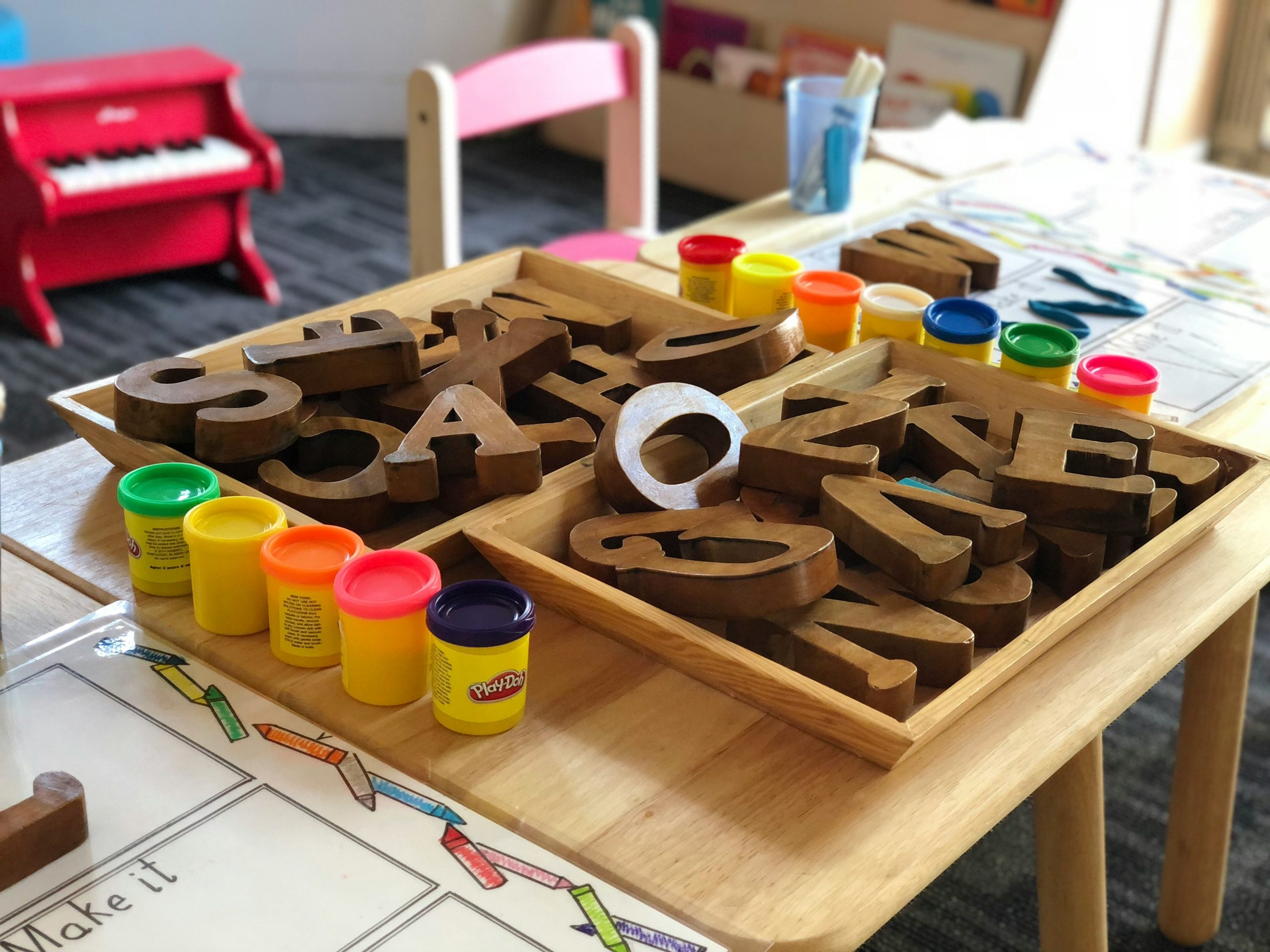
Looking for a Montessori preschool near me means finding a place where your child can develop independence, curiosity, and practical skills through hands-on learning. A good Montessori preschoolfocuses on child-led activities, mixed-age classrooms, and specially designed materials that support self-directed development—so prioritize programs that demonstrate those core principles.
This article will help you spot programs that match your values, compare accreditation and teacher qualifications, and evaluate classrooms during visits. Expect clear tips for finding accredited or well-established Montessori options, questions to ask, and signs of a quality environment so you can make a confident choice for your child.
Core Principles of Montessori Education
Montessori classrooms prioritize independent exploration, purposeful materials, and consistent routines that build practical skills and concentration. You’ll see children given choice within a structured day, guided by adults who observe and support rather than direct every activity.
Child-Centered Learning Approach
You are encouraged to view each child as an active learner with unique interests, pace, and developmental needs. Teachers observe and record behaviors to tailor challenges—offering a child ready for reading phonics work while another practices pour-and-transfers to refine fine motor control.
Lessons follow short, clear demonstrations; then children repeat tasks until mastery. That repetition supports concentration, coordination, and internal motivation. Assessment focuses on skill progression and independence rather than test scores, so you can track practical milestones like self-care, social interaction, and task completion.
Expect mixed-age groups (commonly 3-year spans). Older children model skills for younger ones, reinforcing leadership and empathy. This structure helps you see natural peer teaching and individualized learning in action.
Prepared Environment and Materials
Montessori spaces are intentionally arranged to promote order, accessibility, and purposeful choice. Materials sit on low shelves, grouped by skill—practical life, sensorial, language, math, and cultural studies—so your child can select tasks without asking.
Materials are self-correcting and hands-on; for example, tactile number rods and bead chains make abstract math concepts concrete. You’ll notice materials often isolate one skill at a time, allowing focused practice and clear progress tracking.
Furniture and tools match child size to support independence: snack stations at child height, brooms sized for little hands, and trays that carry a single activity. The adult’s role centers on maintaining the environment, presenting lessons, and stepping back to let concentration and discovery unfold.
Selecting the Right Montessori Preschool
Evaluate teacher qualifications, classroom culture, and how the school partners with families. Look for clear evidence of Montessori training, child-centered environments, and consistent two-way communication.
Accreditation and Teacher Certification
Check for accreditation from recognized Montessori organizations (AMS, AMI, or national equivalents). Accreditation shows the school follows Montessori standards for curriculum, materials, and teacher preparation.
Ask for staff credentials: verify lead guides hold Montessori diplomas for the age group they teach and have early childhood education or teaching licenses where required. Request copies or a list of certifications during a tour or via email.
Confirm ongoing professional development. A strong program schedules regular training, classroom observations, and mentorship to keep practices aligned with Montessori pedagogy. Also check staff-to-child ratios and assistant qualifications for day-to-day classroom support.
Classroom Atmosphere and Community
Observe an actual classroom in session whenever possible. See if children move freely between purposeful activities, use hands-on materials, and work independently or in small groups without constant adult direction.
Note the physical environment: low shelves, accessible materials, mixed-age grouping (typically 3-year spans), and distinct activity areas (practical life, sensorial, math, language, culture). Clean, well-maintained materials signal fidelity to the method.
Watch adult behavior: teachers should guide quietly, model care, and intervene minimally to preserve concentration. Pay attention to how conflict is resolved among children and whether independence and self-discipline are encouraged.
Parental Involvement and Communication
Ask how the school communicates progress: regular written reports, portfolios of child work, and scheduled parent-teacher conferences are essential. Weekly newsletters or digital platforms (secure apps, email) help you stay informed about curriculum and classroom events.
Clarify expectations for parent participation. Some Montessori preschools ask parents to join orientation sessions, volunteer classroom time, or support community events. Confirm what is required and what is optional.
Find out how the school handles concerns. A clear chain of communication—lead guide, director, board or administrator—plus documented policies for behavior, health, and transitions ensures you can address issues quickly and professionally.
