
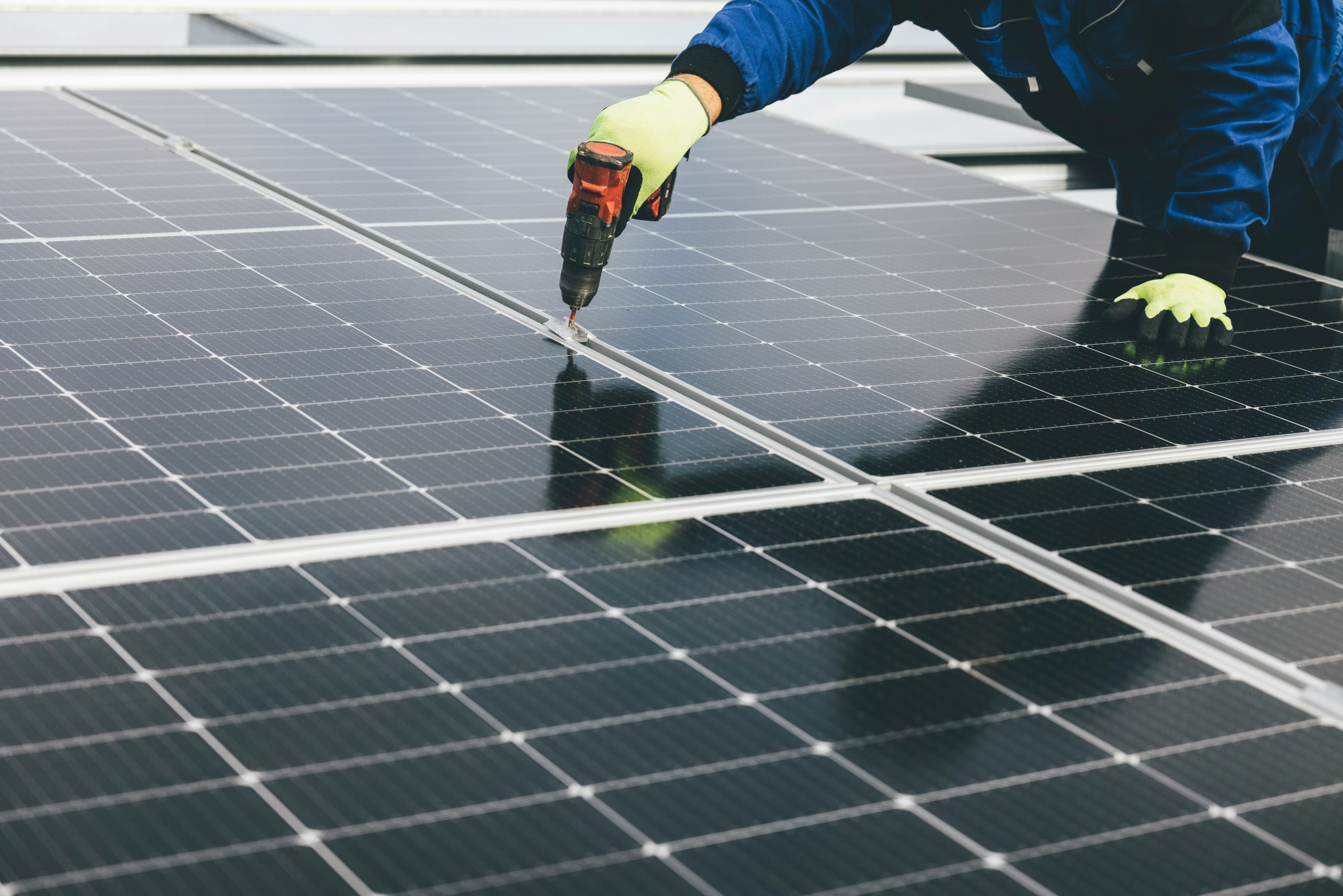
You can turn parts of your building—roof, façade, or windows—into active power generators without adding bulky panels. Building-integrated solar panels (BIPV) replace or become part of the building envelope, so you gain both a finished surface and on-site electricity generation.
This post Building Integrated Solar Panels will show how BIPV works, what materials and installation options exist, and the real benefits and trade-offs for design, cost, and performance. Expect practical guidance on choosing systems and integrating them into your project so your building looks intentional while producing clean energy.
Understanding Building Integrated Solar Panels
You will learn how these systems replace or become part of building components, the main technologies and materials used, and the common ways they are integrated into roofs, façades, and glazing. Expect specifics on performance, appearance, and installation implications.
What Are Building Integrated Solar Panels
Building-integrated solar panels (BIPV) serve as both building materials and electricity generators. They replace conventional elements—such as roof tiles, curtain walls, or window glazing—while producing DC power that you typically feed to an inverter and into building circuits or the grid.
You should note the dual roles: structural/weatherproofing and energy generation. That means design choices affect thermal performance, daylighting, fire rating, and local building codes as much as electrical output. Pay attention to rated power per area (W/m²), module efficiency, and standardized mounting details when comparing products.
Key Technologies and Materials
BIPV uses three main PV technologies: crystalline silicon, thin-film (CIGS, CdTe), and emerging perovskite or tandem cells. Crystalline modules give higher efficiency and established durability. Thin-film offers flexibility and better aesthetic uniformity on curved or colored surfaces.
Materials for building function include glass-laminate for façades and windows, polymer or composite backings for roof tiles, and framed modules for curtain walls. You must check encapsulation (EVA, PVB), glass thickness, and frame/edge sealing for weather and fire codes. Balance-of-system components — inverters, junction boxes, and wiring — also need integration planning for access, cooling, and maintenance.
Types of Integration in Construction
Integration types fall into three categories: replacement, substitution, and retrofit. Replacement BIPV substitutes building envelope components at construction (e.g., solar roof tiles), giving clean sightlines and continuous waterproofing. Substitution integrates PV into elements while retaining some conventional layers, common in façade infill panels.
Retrofit involves mounting PV onto existing structures, often using framed modules or lightweight rails; it is least invasive but can compromise aesthetics and roof continuity. Consider structural load, wind uplift, thermal bridging, and fire separation during selection. For glazed BIPV, control of visible light transmittance and solar heat gain coefficient matters for occupant comfort and HVAC sizing.
Benefits and Implementation Strategies
BIPV reduces on-site electricity purchases and can lower building energy loads through daylighting and reduced cooling demand. You’ll balance aesthetic goals, structural constraints, and lifecycle costs when planning and deploying integrated panels.
Energy Efficiency and Sustainability
You’ll generate electricity directly from roof, façade, or window elements, cutting grid consumption and utility bills. Integrated systems often replace conventional materials, so your building gains both power generation and weatherproofing without increasing roof footprint.
Daylighting from translucent or semi-transparent BIPV can reduce artificial lighting hours. That reduces lighting energy use but requires careful control to avoid glare and overheating.
Consider embodied carbon and material choices. High-efficiency cells (monocrystalline, thin-film where appropriate) paired with durable substrates improve lifetime emissions. Track expected annual kWh/m2 and payback period for realistic carbon and cost projections.
Design Considerations
You must evaluate orientation, tilt, and shading at the design stage. South-facing façades and tilted roofs yield higher yield in most temperate climates, while vertical façades perform better in dense urban canyons with limited roof area.
Match module type to architectural intent: opaque modules for roof replacements, BIPV glazing for façades and skylights, and flexible laminates for curved surfaces. Verify fire ratings, wind uplift resistance, and load transfer with structural engineers.
Budget for electrical integration: inverter placement, metering, and potential storage. Plan for visual uniformity, color and texture options, and local building code approvals to avoid costly redesigns.
Installation and Maintenance
Installers must coordinate roofing, cladding, and electrical teams to ensure weatherproofing and compliant wiring. Use manufacturer-approved fixings and flashing details to maintain envelope integrity; faulty detailing is the most common cause of leaks.
Schedule routine inspections for connectors, junction boxes, and glass or laminate seals. Clean panels based on soiling rates—typically once or twice a year in most urban settings—to sustain output.
Plan for component replacement and monitoring. Specify string- or module-level monitoring and accessible disconnects so you can detect underperformance and replace inverters or modules with minimal disruption.
